Pink Malva Sylvestris Plant leaves 29 Review
As a designer who spends more time looking at stitch density and fabric tension than scrolling through endless marketplaces, I approach every new graphic with a healthy dose of skepticism. The digital art world is flooded with pretty pictures that look stunning on a screen but fall apart the moment they hit the hoop. That is why I take Pink Malva Sylvestris Plant leaves 29 seriously. It comes from the Illustrations category under Graphics, which usually signals a vector-based or high-resolution raster image intended for reproduction. But does it translate well to thread? Can it survive the rigors of a commercial embroidery project? After testing this design concept against several real-world applications, here is my practical assessment for fellow makers, Etsy sellers, and creative entrepreneurs.
First Impressions and Visual Personality
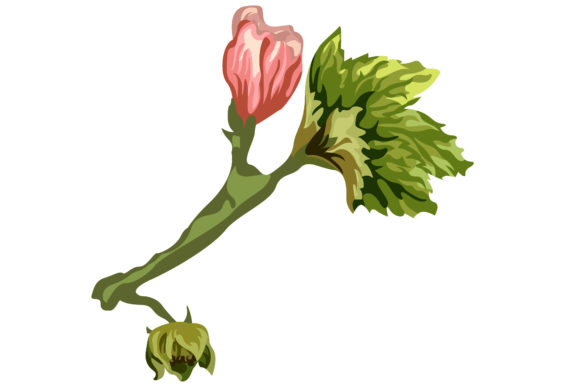
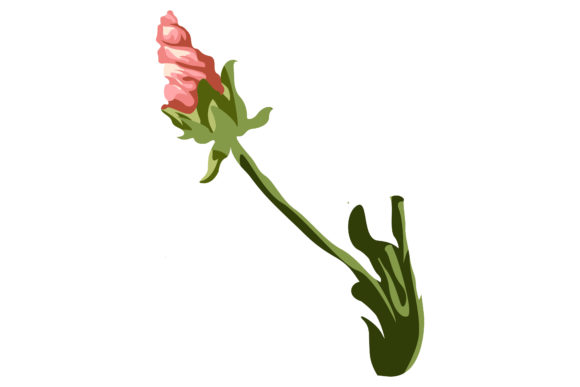
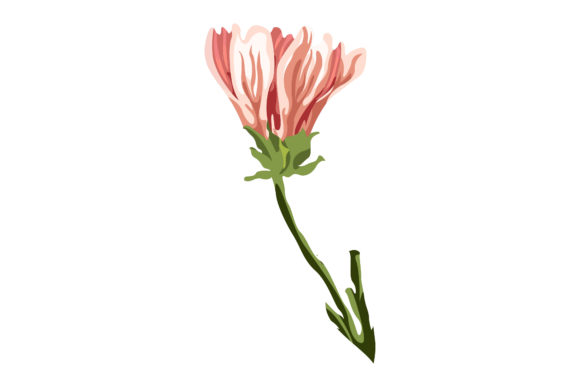
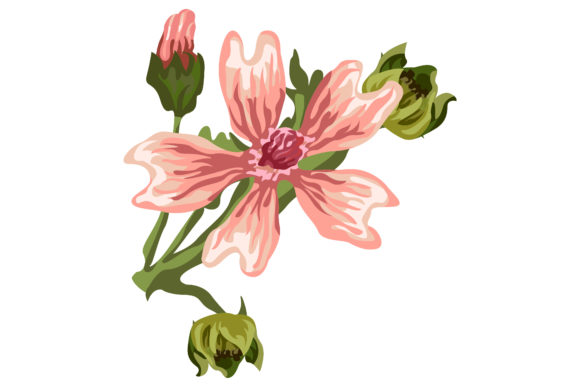
The moment you load Pink Malva Sylvestris Plant leaves 29 into your digitizing software or preview it on a mockup, the mood is immediately established. Malva sylvestris, commonly known as common mallow, has a distinct botanical character—soft, slightly wild, and naturally elegant. This specific iteration captures that essence without becoming overly cluttered. The visual personality leans toward organic sophistication rather than rigid geometric precision.
For an embroidery designer, this distinction matters. A design that feels too stiff often looks artificial when stitched in satin or fill stitches. In contrast, the fluid lines of this plant leaf motif suggest movement. It creates a sense of growth and freshness that resonates strongly with current trends in handmade products. Whether you are creating nursery decor, boutique branding, or personalized gifts, this graphic offers a versatile aesthetic that feels both timeless and contemporary. It avoids the trap of being "trendy" in a way that will feel dated in six months, making it a safer investment for long-term inventory planning.
Real-World Application: From Screen to Stitch
Let’s talk about where this design actually shines. I recently considered using Pink Malva Sylvestris Plant leaves 29 for a custom embroidered tote bag line targeting eco-conscious consumers. The natural theme of the mallow plant aligns perfectly with sustainable fashion narratives. When placed centrally on a canvas tote, the design acts as a focal point that draws the eye without overwhelming the garment. The clean lines of the illustration allow for crisp digitization, ensuring that the final product maintains its professional appeal even after multiple washes.
Beyond tote bags, this graphic is exceptionally strong for baby embroidery projects. The soft pink tones and gentle leaf shapes are ideal for onesies, burp cloths, and nursery wall art. Parents are increasingly drawn to designs that evoke calmness and nature, and this file delivers exactly that. Similarly, for holiday embroidery, such as Christmas ornaments or New Year’s home accents, the design provides a fresh alternative to traditional heavy florals. It works beautifully on tea towels and kitchen linens, adding a touch of rustic charm to everyday items.
In the realm of small shop merchandise, versatility is key. Pink Malva Sylvestris Plant leaves 29 can be adapted for sweatshirt embroidery, particularly on cropped hoodies or lightweight cardigans where a delicate botanical accent is preferred over bold logos. It also serves as an excellent base for an embroidered patch, which can then be sewn onto denim jackets or backpacks for a customizable, DIY aesthetic. For digital product sellers, this graphic makes a compelling printable mockup asset, allowing customers to visualize how a finished product might look before purchase.
Where Caution Is Required
While the design has many strengths, no single graphic is universally perfect. There are specific scenarios where Pink Malva Sylvestris Plant leaves 29 requires careful handling. First, consider the scale. If you attempt to reduce this design to a very small hoop size, such as those used for intricate lettering or tiny decorative accents, you may lose critical detail. The subtle curves of the leaves could merge together, resulting in a muddy appearance rather than a clear botanical shape.
Texture and fabric choice also play a crucial role. Embroidering on highly textured fabrics, like heavy bouclé or thick terry cloth, can obscure the finer details of the illustration. Similarly, thin or stretchy fabrics require extra stabilization; without proper support, the tension from the threads might pucker the material, distorting the original artwork. Dark fabrics present another challenge. Depending on the thread colors chosen, the contrast must be carefully managed to ensure the design pops. On dark backgrounds, lighter thread colors might get lost if the stitch coverage is not dense enough.
Furthermore, curved surfaces like caps or hats demand precise hooping techniques. While the design itself is flat, applying it to a curved surface requires strategic placement to avoid distortion. If you are working on layered garments or items that need frequent washing, such as aprons or workwear, ensure that the digitized version includes sufficient underlay stitches to secure the design firmly to the fabric.
Practical Designer Notes for Success
To get the most out of this graphic, follow these practical steps before committing to a full production run. Always test the design on scrap fabric first. This allows you to evaluate how the machine embroidery design interacts with different materials and identify any potential issues with thread breaks or tension imbalances. Pay close attention to the stitch density; if the original illustration relies on fine lines, ensure your digitizer has converted these into appropriate running stitches or narrow satin stitches to maintain clarity.
Review the thread colors thoroughly. Since the source is a graphic, the color palette might need adjustment to match available embroidery threads. Use a black and white mockup to check the contrast and balance of the design elements independent of color. This helps determine if the composition holds up visually regardless of the thread choices. Additionally, inspect small details closely. Are there any isolated pixels or thin lines that might not render well in thread? Simplifying these areas during the digitizing process can significantly improve the durability and look of the finished product.
Confirm the hoop size requirements early in the workflow. Ensuring the design fits comfortably within your machine’s capabilities prevents wasted time and material. Check whether the design works effectively for both personal use and commercial embroidery purposes. If you plan to sell finished items, verify the licensing terms associated with the digital embroidery file. Using graphics without proper commercial rights can lead to legal issues, especially for Etsy sellers and craft business owners.
Final Verdict on Value and Appeal
Ultimately, Pink Malva Sylvestris Plant leaves 29 offers high value for designers seeking a reliable, aesthetically pleasing botanical element. Its ability to enhance handmade presentation and boost customer trust through professional execution makes it a worthwhile addition to your design assets. The graphic supports brand consistency by providing a recognizable style that customers can associate with quality craftsmanship. Whether you are creating a single personalized gift or a large batch of small shop products, this design delivers a polished result that engages buyers and stands out in a crowded marketplace.
By approaching the digitization process with care and respecting the limitations of embroidery as a medium, you can transform this static graphic into a dynamic, tactile experience. The key lies in balancing artistic vision with technical precision. When done correctly, the result is not just an embroidered item, but a piece of wearable or usable art that reflects the care and expertise of the maker. For those willing to invest the time in proper testing and setup, Pink Malva Sylvestris Plant leaves 29 proves to be a robust and attractive choice for a wide variety of creative endeavors.