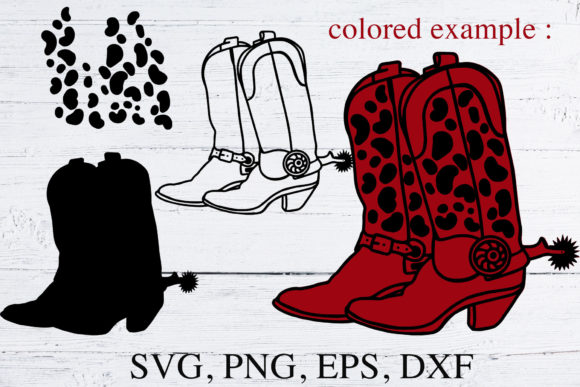
Cowboy Boots SVG Silhouette Cow Pattern
As a designer who spends more time in digitizing software than on social media, I approach every new asset with a healthy dose of skepticism. The market is saturated with clip art that looks fine on a screen but falls apart when transferred to fabric. That is why I took Cowboy Boots SVG Silhouette Cow Pattern for a real-world test run. This isn’t just about whether the lines are clean; it is about whether the design holds up under the tension of an embroidery hoop, how it translates across different mediums, and whether it adds genuine value to a handmade product line.
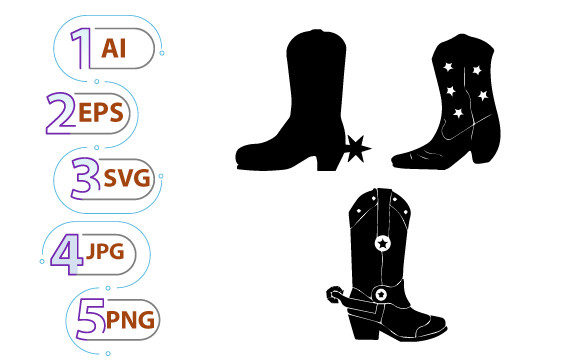
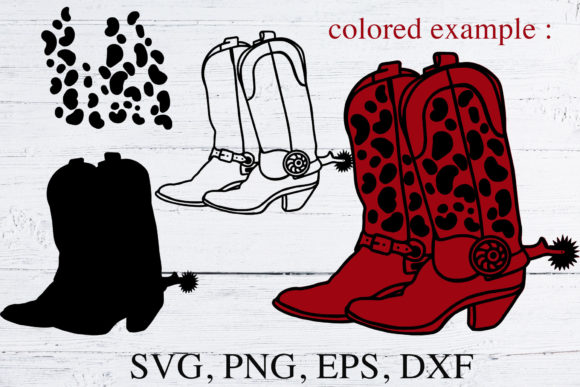
The file set includes SVG, PNG, EPS, DXF, Mask, Outline, and pattern vector files. While these formats scream "cutting machine," my primary focus as an embroiderer is understanding how this silhouette behaves when stitched. The prompt mentions suitability for CRICUT, Silhouette Studio, Cameo, and ScanNCut, which confirms the vector integrity is high. However, for us in the embroidery world, the question remains: does this cow pattern read clearly as a stitchable image?
First Impressions and Visual Personality
When you open the file, the first thing that strikes you is the boldness of the silhouette. In embroidery, negative space is your best friend. A complex, overly detailed cow illustration often turns into a muddy mess of thread if the stitch density isn't perfect. This design, however, relies on strong shapes. The cowboy boots anchor the composition, providing a thematic hook that is instantly recognizable, while the cow pattern fills the space with texture rather than clutter.
The mood is rustic, playful, and distinctly Western. It feels like a design that belongs in a farmhouse-style nursery or a boutique gift shop. It has a hand-painted aesthetic mentioned in the description, which suggests softer edges in the vector paths. For an embroiderer, this is a double-edged sword. Soft edges can look beautiful in fill stitch, mimicking watercolor, but they require careful hooping to avoid distortion. The visual personality is confident without being aggressive. It invites interaction rather than shouting for attention.
Real-World Application: The Tote Bag Test
To truly evaluate this design, I imagined using it for a specific project: a custom embroidered tote bag for a local craft fair. This is a common scenario for many Etsy sellers and small business owners. You want something that pops from a distance but feels personal up close.
I visualized placing the Cowboy Boots SVG Silhouette Cow Pattern on a natural canvas tote. The contrast between the earthy canvas and bright thread colors would make the silhouette pop. Because the design includes a mask and outline, you have flexibility. You could use the mask for applique work—stitching a contrasting fabric behind the cow shape—which adds a premium feel to the finished product. Applique designs like this often command a higher price point because they look more intricate and labor-intensive.
If I were stitching this directly onto the bag, I would likely use a combination of satin stitch for the boot outlines and fill stitch for the cow body. The result would be a textured, tactile piece of art. Customers at a craft fair respond well to items that show clear craftsmanship. A clean, well-executed silhouette demonstrates professionalism. It tells the buyer that the seller cares about detail, which builds trust and encourages impulse buys.
Performance Across Different Mediums
This design is versatile, but versatility comes with caveats. Let’s break down where it shines and where it might struggle.
- Custom Apparel and Sweatshirts: On a heavy cotton sweatshirt, this design would look fantastic. The weight of the fabric supports the stitches well. The cowboy theme pairs naturally with denim jackets or flannel shirts. For commercial embroidery projects targeting rural markets or Western-themed events, this is a strong seller.
- Baby Embroidery and Nursery Decor: The playful nature of the cow makes it suitable for baby onesies or burp cloths. However, size matters here. On a small item, the details of the boots might get lost. I recommend scaling this up slightly for baby items to ensure the features remain distinct. It works beautifully for personalized gifts, adding a sentimental touch to a practical item.
- Embroidered Patches: If you plan to sell patches, this design is ideal. The solid silhouette allows for a thick border around the edge, making it easy to iron or sew onto hats, backpacks, or jean bags. Patches are a staple for craft businesses, and this design has the visual weight to stand alone as a badge of style.
- Kitchen Towels and Aprons: For home goods, the design adds a whimsical touch. A tea towel featuring this pattern fits the current trend of "cottagecore" aesthetics. It is giftable, recognizable, and fits seamlessly into a kitchen setting. It elevates a basic linen towel into a curated home decor item.
Technical Considerations and Potential Pitfalls
No design is perfect out of the box. As an experienced reviewer, I must highlight where Cowboy Boots SVG Silhouette Cow Pattern requires careful handling.
Small Hoop Sizes: If you attempt to digitize or use this in a very small hoop (under 4x4 inches), you risk losing definition. The intricate parts of the boots and the texture of the cow pattern may merge together. Always check the minimum stitch count and scale accordingly. If the design is too small, it will look like a blob rather than a detailed illustration.
Fabric Texture and Stability: Stitching on textured fabrics like burlap or loose-weave linen can distort the precise lines of the SVG. The needle pulls the fabric, causing the design to shift. Use a proper stabilizer—heavy cut-away for woven fabrics and tear-away for knits—to maintain accuracy. On stretchy fabrics, such as athletic wear, the design may pucker if not stabilized correctly. Test on scrap fabric first to see how the material reacts to the tension.
Thread Color Contrast: The success of a silhouette design relies heavily on contrast. If you stitch a light-colored cow on a white shirt, it will disappear. You need dark thread on light fabric or vice versa. When selecting thread colors, consider the final product's context. For a holiday embroidery project, deep reds and greens might clash with the neutral tones of the cow pattern. Stick to complementary palettes to ensure readability.
Dense Stitch Areas: Check the stitch density before committing to a large production run. Dense areas can cause thread breaks or needle deflection, especially on older machines. If the design has overlapping elements, ensure there is enough clearance between them to prevent bulkiness. Bulk can make a garment uncomfortable to wear, particularly on baby clothes or fitted apparel.
Strategic Advice for Sellers
For Etsy sellers and digital product creators, the inclusion of multiple file formats (SVG, PNG, EPS) is a significant advantage. You can offer this as a bundle, catering to both cutters and embroiderers. Create printable mockups that show the design on various products—a tote bag, a cap, a pillow cover—to help buyers visualize the end result. High-quality mockups increase conversion rates by reducing uncertainty.
Also, verify the licensing terms. Just because you bought the file doesn't automatically grant commercial rights for all uses. Confirm whether you can sell finished physical items made from the design. Clear licensing protects your brand and avoids legal issues down the line.
Final Verdict
Cowboy Boots SVG Silhouette Cow Pattern is a solid, well-composed asset that bridges the gap between cutting graphics and embroidery potential. Its strength lies in its simplicity and thematic clarity. It is not an experimental abstract piece; it is a reliable, crowd-pleasing design that works well in the hands of a skilled maker.
It is best suited for makers who value clear visuals and rustic charm. Whether you are creating personalized gifts, expanding your craft business inventory, or designing for a niche Western audience, this pattern offers good value. Just remember to respect the technical limitations of embroidery: stabilize properly, choose contrasting threads, and test on scraps. When executed well, this design transforms from a simple vector file into a memorable, tangible product that customers will love.