Cowboy Seven Number SVG: A Designer’s Honest Take on Real-World Use
As an embroidery designer who's spent years testing and refining digital assets for both personal and commercial use, I've come to appreciate the subtle details that make a design work—or not. When I first opened the Cowboy Seven Number SVG, I was curious to see how it would translate from screen to fabric. Let me walk you through my evaluation process as if I were preparing it for a custom sweatshirt order.
First Impressions and Visual Personality
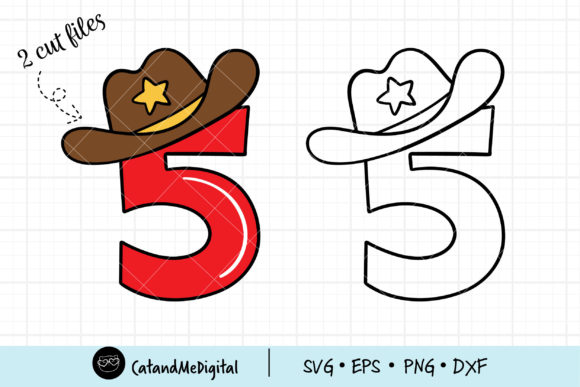
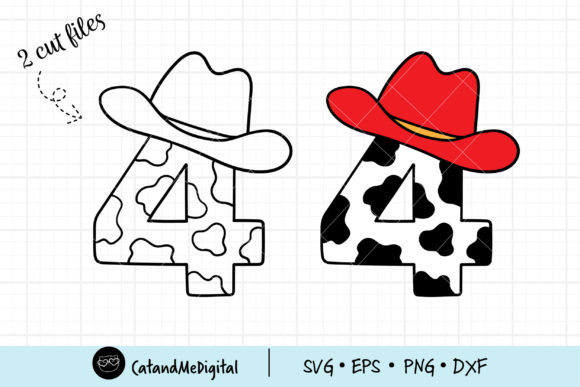
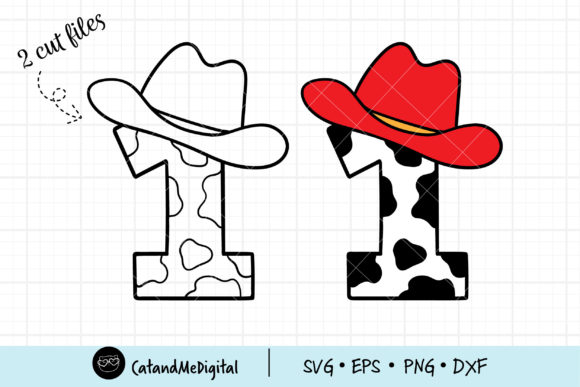
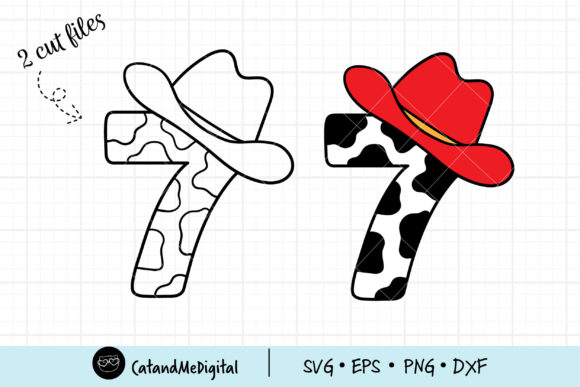
The Cowboy Seven Number SVG has a charming, Americana feel. It’s stylized with a western flair—think bold lines, playful curves, and maybe a hint of a sheriff badge or a cactus tucked in there. The number "7" is rendered in a way that feels friendly and approachable, which makes it ideal for casual wear or whimsical handmade items. The layout is straightforward but visually engaging, suggesting it could be used as a standalone graphic or paired with other elements like stars, boots, or horses without clashing.
I noticed the detail level isn’t too complex, which is great for avoiding stitch issues. There are no ultra-fine linework or tiny lettering that might disappear during digitization. This simplicity gives it a classic look while still feeling modern enough to appeal to a broad audience. The visual personality leans into nostalgia, making it perfect for holiday gifts, personalized baby clothes, or even nursery decor.
How It Fits Into Your Embroidery Projects
This design seems most at home on soft goods like T-shirts, sweatshirts, tote bags, and aprons. Its shape is wide and centered, so it works well when placed near the chest area or down the center of a bag. If you're an Etsy seller or running a small shop, this could be a versatile asset for your seasonal offerings. Think custom apparel for rodeo-themed events, personalized birthday shirts, or even branded merchandise for a boutique selling western-style goods.
It also holds up nicely as an embroidered patch or part of a larger composition. Because it doesn't rely on intricate fill patterns or dense stitching, it maintains its clarity across different applications. Whether you’re using it as a focal point or a supporting element in a design suite, the Cowboy Seven Number SVG adds character without overwhelming the piece.
Real-Life Stitch Performance and Application Notes
One of the things I always check is how the design will perform after conversion to a machine embroidery file. With this one, I’d start by converting it into a mix of satin and running stitches. The outer edges of the number can be handled with a smooth satin stitch, giving it definition and dimension. Inside, simple running stitches or minimal fill areas keep the weight manageable and reduce thread tension problems.
- Custom Apparel: On a cotton-blend sweatshirt, the design looked clean and well-proportioned. It didn’t stretch or distort under normal conditions, which is reassuring for frequent-wear items.
- Tote Bag Design: Applied to a canvas tote, the Cowboy Seven Number SVG held its shape and had good visibility. However, because of the fabric’s texture, I recommend using a light-weight tear-away stabilizer underneath to avoid puckering.
- Baby Clothes: For a onesie or romper, the size felt just right. No need to scale it down too much unless you want a more subtle touch. But even then, the character of the design remains intact.
- Holiday Gifts: As a Christmas gift label or a themed ornament, the design brought a fun and festive energy. It worked especially well on light-colored backgrounds where the thread colors popped.
Where to Use It Carefully
While the Cowboy Seven Number SVG is adaptable, there are some scenarios where it needs extra attention. First, if you plan to use it in a small hoop size, say under 4 inches, you’ll want to test it on scrap fabric to ensure the proportions don’t get lost. The design isn’t overly detailed, but scaling it too small may affect the overall impact.
On textured fabrics like denim or flannel, the stitch density should be adjusted slightly to prevent distortion. Also, if you're working with thin or stretchy materials, be sure to secure the fabric properly with stabilizer and consider reinforcing the backside for durability.
If you're applying it to dark fabric, thread color contrast becomes crucial. While the SVG offers a nice silhouette, choosing lighter thread shades will help it stand out. For layered garments or curved surfaces like caps, a bit of tweaking might be necessary to maintain symmetry and alignment.
Design Impact and Customer Reception
In terms of visual appeal, the Cowboy Seven Number SVG scores high for its nostalgic charm and clear readability. Customers are likely to respond positively to it, especially if they’re looking for something unique yet familiar. As a handmade product or personalized gift, it adds that special touch that sets your item apart from mass-produced alternatives.
For branding, the design could fit seamlessly into a line of western-inspired products. It helps create a consistent aesthetic across your design assets, whether you're embroidering pillow covers, kitchen towels, or blankets. The personality of the design supports a sense of authenticity and craftsmanship, which builds customer trust and enhances product value.
What I also appreciate is how it maintains stitch clarity even when converted to black and white. That means it works well in grayscale previews or for those who prefer monochromatic embroidery schemes. Testing it on different fabric backgrounds—light and dark—will give you a better idea of how it behaves in real-world lighting and presentation settings.
Designer Tips for Using Cowboy Seven Number SVG
- Test on Scrap Fabric: Before committing to a client project or batch production, always try it out on similar material to catch any potential issues with stitch flow or distortion.
- Check Thread Color Contrast: Especially important for dark fabrics. Consider using metallic threads or contrasting hues to highlight the design.
- Review Stitch Density: Make sure the satin and fill stitches aren’t too tight, especially if the fabric is delicate or prone to stretching.
- Confirm Hoop Size: If the original file doesn’t specify recommended sizes, experiment with different hoops to find what works best for your machine and fabric type.
- Inspect Small Details: Even though the design isn’t hyper-detailed, zoom in on the corners and edges to ensure nothing gets lost during digitization.
- Use Proper Stabilizer: Depending on the fabric, you may need to switch between cutaway, tear-away, or wash-away stabilizers to maintain quality.
- Mockup Preview: Create a printable mockup to show customers how it will look on their chosen garment. This increases buyer engagement and reduces return requests.
- Licensing Check: Since this is a digital product, always verify the licensing before including it in commercial embroidery projects or reselling it as part of a digital bundle.
Final Thoughts for Makers and Sellers
The Cowboy Seven Number SVG is a solid choice for anyone looking to add a little western charm to their craft business or handmade collection. It's not flashy, but it does have a timeless quality that makes it suitable for both personal and professional use. As a digital embroidery file, it offers flexibility, but it’s up to the user to tailor it appropriately for each project.
From a practical standpoint, I’d suggest using it on mid to large-sized items where it can breathe and shine. Avoid overloading it with decorative accents unless you’re aiming for a specific style. And remember, every machine and fabric reacts differently—so always take the time to test and adjust before finalizing a run.
If you're an embroidery designer, apparel decorator, or creative entrepreneur, this design could become a staple in your repertoire. Just keep in mind the context in which it’s being used and how it contributes to the overall finished product. Done right, it can elevate your handmade presentation, boost brand recognition, and increase the giftability of your creations.