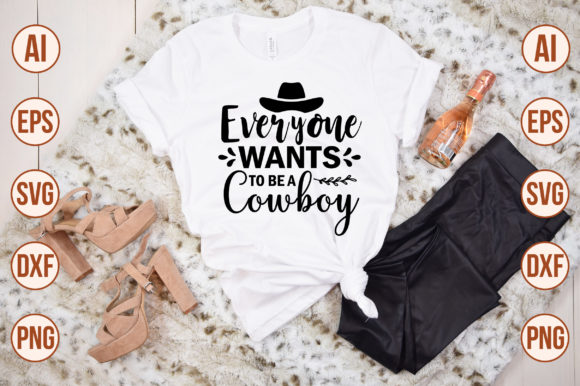
Everyone Wants to Be a Cowboy
As a designer who spends half my life in front of a screen and the other half staring at hoop frames, I have learned that not every digital file translates well into thread. There is a distinct gap between how a graphic looks on a monitor and how it behaves under the needle. This review focuses on Everyone Wants to Be a Cowboy, a design asset categorized under Crafts and Graphics, evaluated specifically for its viability in real-world embroidery projects. If you are an Etsy seller, a boutique owner, or a hobbyist looking to add personality to your handmade products, this breakdown will help you decide if this design deserves a spot in your library.
First Impressions: Mood and Visual Personality
The phrase "Everyone Wants to Be a Cowboy" carries an immediate cultural weight. It evokes themes of freedom, rugged individualism, and Americana. Visually, designs with this kind of declarative text often struggle with balance, but when executed well, they become instant conversation starters. The mood here is playful yet bold. It feels like a design meant for casual wear rather than formal attire. For the creative entrepreneur, this distinction is crucial because it dictates your target audience. This is not a design for a high-end wedding program; it is a design for a Saturday morning coffee run, a music festival, or a cozy night in.
From a layout perspective, the text-heavy nature of this design requires careful consideration of font weight and spacing. In embroidery, negative space is just as important as the stitched area. A cluttered design can look messy after washing, while a clean layout maintains its integrity. The visual personality of Everyone Wants to Be a Cowboy suggests a strong, confident stance. It appeals to those who appreciate humor with a touch of nostalgia. When I first previewed the design assets, I immediately thought of denim jackets and canvas totes—materials that can handle the texture and structure of a robust embroidery project.
Real-World Application: Where This Design Shines
Let’s move beyond the screen and talk about the finished product. I recently considered using Everyone Wants to Be a Cowboy for a custom embroidered tote bag intended as a gift for a friend who loves country music. Here is how I analyzed the fit:
- Custom Apparel: This design works exceptionally well on sweatshirts and t-shirts. The humor resonates with adults who enjoy layering comfortable clothing. On a heavy cotton sweatshirt, the contrast between the fabric and the thread would pop, creating a professional-grade custom apparel item.
- Tote Bag Design: Canvas bags are a staple for craft fair sellers. Placing this design centrally or slightly off-center on a tote adds character. It transforms a basic accessory into a statement piece. The durability of canvas pairs well with the likely density of the stitching required for such a phrase.
- Personalized Gift: Whether for a birthday or a holiday gift, this item has high emotional value. People love seeing their interests represented on their belongings. It fits perfectly into the personalized gift market, appealing to buyers looking for unique, handmade items that reflect a specific lifestyle.
- Embroidered Patch: Converting this design into an iron-on patch is another viable route. Patches allow for greater flexibility in placement, from backpacks to baseball caps. This expands the utility of the embroidery file beyond just direct-to-garment application.
For small business owners, the versatility of this design means you can create multiple SKUs from a single purchase. You can offer it on aprons for home bakers, pillow covers for nursery decor, or even kitchen towels. The broad appeal increases your potential customer base without requiring additional design work.
Critical Considerations: Where Caution Is Required
No design is perfect for every situation. As a reviewer, I must highlight where Everyone Wants to Be a Cowboy might face challenges during the production process.
Hoop Size Limitations: Text-based designs require sufficient width to remain legible. If you attempt to stitch this on a very small hoop, the letters may become cramped, leading to thread breaks or distorted shapes. Always verify the recommended hoop size before starting. If the design is too wide for your machine’s standard hoops, you may need to split the text or resize it, which can affect the overall aesthetic.
Fabric Texture and Stability: Embroidering text on stretchy fabrics like jersey knits or highly textured materials like chunky wool requires extra care. Without proper support, the fabric can pucker, ruining the crispness of the lettering. Using the right stabilizer is non-negotiable here. A cut-away stabilizer is often recommended for garments that will be worn frequently, ensuring the design does not distort over time.
Dense Stitch Areas: Depending on the font style, some areas of the design may have high stitch density. Dense stitching can make a garment feel stiff and heavy. For baby clothes or delicate fabrics, this might be uncomfortable. It is essential to check the stitch count and distribution. If the design is too dense, consider simplifying the background or reducing the number of threads used in fill areas.
Color Contrast: The success of any text design relies on visibility. Dark fabrics require light-colored threads, and vice versa. Poor contrast can make the message unreadable. I strongly advise testing your thread colors on scrap pieces of your actual fabric before committing to the final product. Black and white mockups can also help you visualize the contrast levels without wasting expensive materials.
Practical Designer Notes for Production
Before you start stitching, there are several technical steps you should take to ensure a professional result.
- Test on Scrap Fabric: Never assume a design will work perfectly on the first try. Stitch it out on a similar fabric type to check for tension issues, thread breaks, or alignment problems.
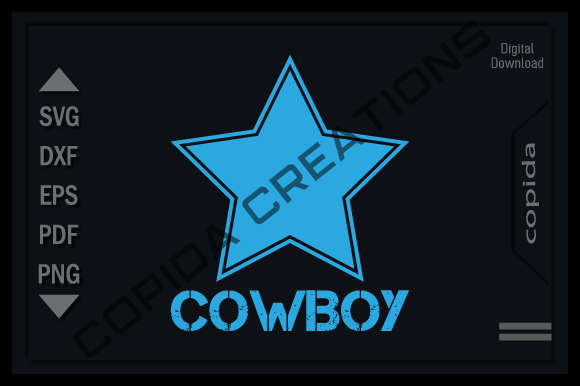
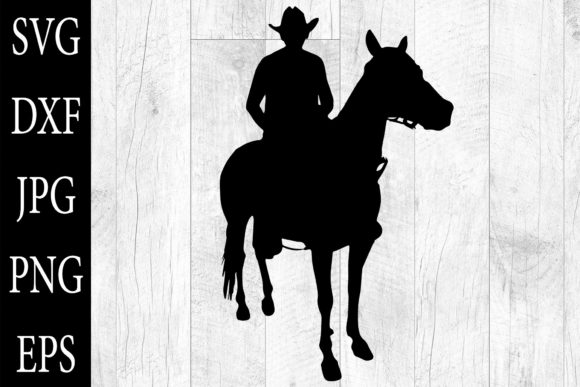
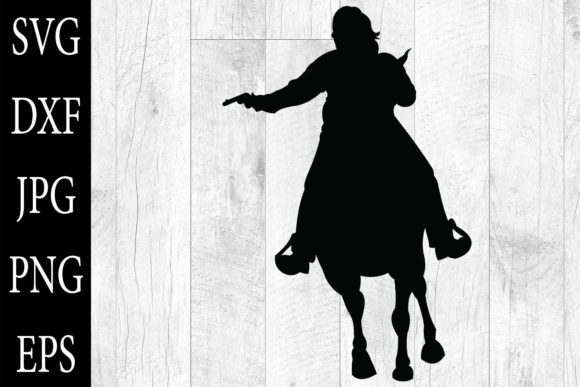
- Review File Formats: The product includes SVG, PNG, EPS, DXF, and JPEG files. Ensure you are using the correct format for your software. For example, use the vector files (SVG/EPS) for scaling in design programs, and the digitized files (if provided separately) for your embroidery machine. Note that the description mentions compatibility with Cricut, which primarily uses cutting formats, so verify if the included files are optimized for embroidery machines or if you need to convert them.
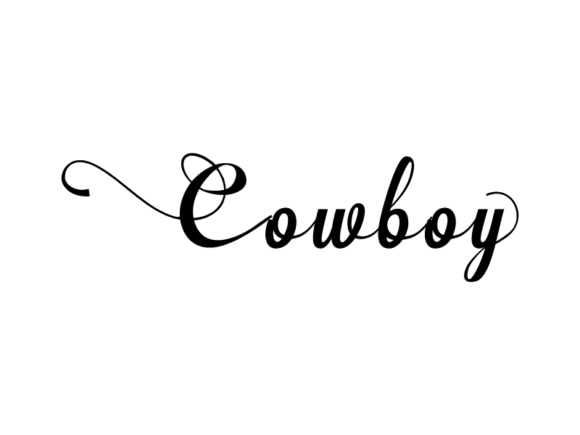
- Inspect Small Details: Zoom in on the design elements. Are there tiny decorative accents that might get lost in the stitching? Are the corners of the letters sharp enough? Fine details can sometimes blur together if the stitch resolution is too low.
- Check Licensing: If you plan to sell finished products made from this design, confirm the commercial use license. Some digital downloads are for personal use only. Understanding the terms protects your craft business from legal issues.
- Stabilizer Selection: Match your stabilizer to your fabric. Woven fabrics often do well with tear-away stabilizers, while knits require cut-away stabilizers for long-term durability.
Final Verdict: Value and Versatility
Everyone Wants to Be a Cowboy offers strong potential for designers looking to tap into the popular Western and Americana trends. Its clear message and bold personality make it suitable for a wide range of handmade products, from apparel decorators creating custom tees to Etsy sellers offering personalized gifts. However, success depends on execution. By paying attention to hoop size, fabric choice, stabilizer use, and color contrast, you can transform this digital download into a high-quality finished product that customers will love.
For the savvy maker, this design is more than just a graphic; it is a tool for brand building. Consistent quality and thoughtful presentation turn a simple embroidered phrase into a memorable small shop product. Just remember to test thoroughly, respect the material limitations, and let the design’s inherent charm shine through. If you approach it with these practical considerations in mind, Everyone Wants to Be a Cowboy can be a valuable addition to your design assets collection.