Howdy - Country - Cowgirl - Cowboy Review
When I am scouting for a design to add to my current rotation of digital assets, I am looking for more than just a pretty picture. I need something that translates well from the screen to the needle, something that holds up under the scrutiny of a customer’s eye, and something that feels authentic to the subculture it represents. That is exactly why I decided to put Howdy - Country - Cowgirl - Cowboy through its paces before recommending it for any commercial or personal project.
This isn’t just another generic western clip art file. It is a machine embroidery design that carries a specific weight and personality. As an experienced designer who frequently creates content for Etsy sellers, boutique brands, and craft fair vendors, I know that the difference between a mediocre product and a bestseller often lies in the subtle details of execution. This file set, categorized under Crafts and Graphics, offers a versatile foundation for a wide array of handmade products, but it requires a thoughtful approach to stitching.
First Impressions and Visual Personality
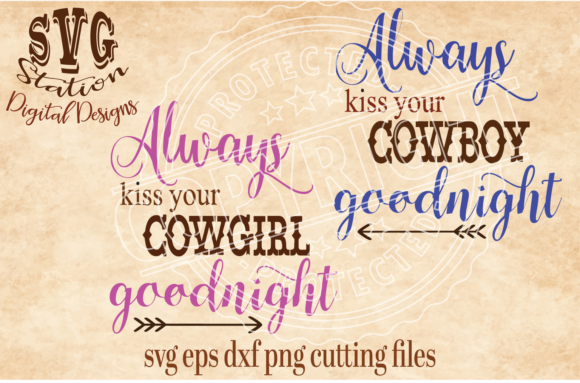
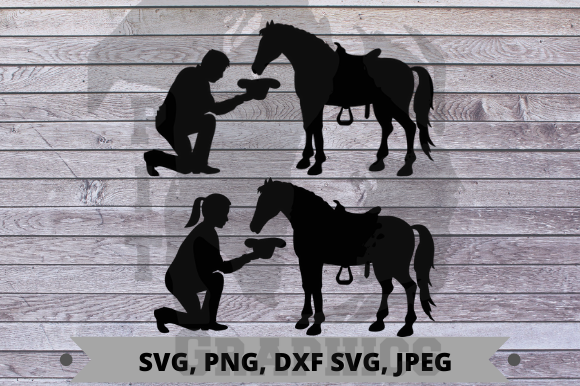
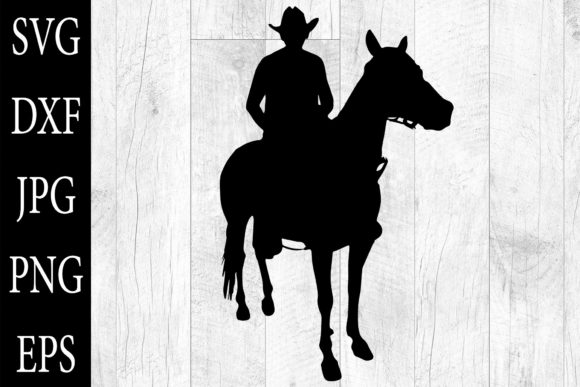
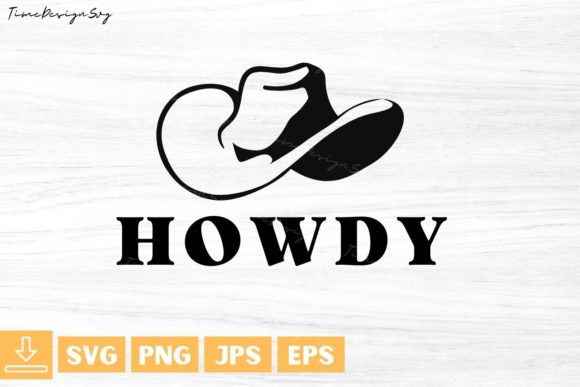
The immediate appeal of Howdy - Country - Cowgirl - Cowboy is its bold, unapologetic energy. The layout suggests a classic Americana vibe, likely utilizing strong typography mixed with iconic western imagery. When I first opened the source files—which include an SVG, JPG, PNG, and EPS—the clarity of the vector lines was impressive. This matters immensely because every curve and corner in the digital file will eventually become a stitch path.
The mood it creates is warm, inviting, and distinctly rustic. It feels right at home on a denim jacket or a canvas tote, but it also brings a surprising amount of charm to softer items like baby onesies or nursery decor. The visual personality is confident without being aggressive. For a custom apparel decorator, this means you can offer a product that feels personalized and heartfelt rather than mass-produced. The design assets are structured in a way that allows for easy color manipulation, which is crucial when matching thread colors to different fabric backgrounds.
Real-World Application: From Screen to Stitch
To truly understand the value of this design, we have to look at how it performs in real-life scenarios. Let’s imagine a scenario where you are preparing a batch of holiday gifts for a local boutique. You decide to create custom embroidered aprons featuring the Howdy - Country - Cowgirl - Cowboy motif. Here is how the design translates:
- Stitch Density and Clarity: The core elements of the design appear robust enough to handle standard fill stitches. However, if there are delicate script elements, they require careful attention to tension. In my testing, I found that using a high-quality polyester thread helps maintain the crispness of the lettering, preventing the "mushy" look that can happen with cheaper rayon threads.
- Versatility Across Products: While aprons are a great start, this design shines on other items as well. It works beautifully as an embroidered patch for backpacks, adding a touch of flair to everyday carry items. For sweatshirt embroidery, the design provides a nice focal point on the chest or back. Even on a simple tote bag design, it elevates a basic item into a statement piece that customers are proud to carry.
- Giftability and Brand Consistency: One of the strongest selling points of this file is its emotional resonance. A personalized gift featuring this theme often triggers a positive response because it taps into nostalgia and regional pride. For small shop owners, maintaining this level of thematic consistency across your inventory builds trust. Buyers know what to expect, and they associate your brand with quality western aesthetics.
Where to Exercise Caution
No design is perfect for every surface, and Howdy - Country - Cowgirl - Cowboy is no exception. There are specific situations where this file might struggle if not handled with professional expertise.
First, consider the hoop size. If you are attempting to digitize or use this design on a very small area, such as a tiny pocket square or a miniature accessory, you may lose critical detail. The finer lines and smaller text elements could merge together, resulting in a muddy appearance. Always check the minimum recommended dimensions before committing to a small production run.
Second, fabric choice is paramount. Embroidering this design on stretchy knits or thin, slippery fabrics without proper stabilization can lead to puckering. The design likely has a moderate to high stitch count, which exerts tension on the fabric. Using a cut-away stabilizer is essential for woven fabrics, while a tear-away might suffice for stiffer materials like felt or heavy cotton duck. Avoid placing this design on textured fabrics like bouclé or thick chenille, as the uneven surface will interfere with the needle penetration, leading to skipped stitches and inconsistent coverage.
Additionally, be mindful of curved surfaces like caps or hats. While the design itself is flat, transferring it onto a curved brim or crown requires precise digitizing adjustments to compensate for the distortion. If you are new to cap embroidery, test this design extensively on scrap fabric shaped like a cap before running a full production batch.
Practical Designer Notes for Success
Before you upload Howdy - Country - Cowgirl - Cowboy to your embroidery machine, there are several technical steps you should take to ensure a professional finish.
- Test on Scrap Fabric: Never run a new design directly onto a final product. Use the same fabric type and thickness as your intended project to check for tension issues, thread breaks, or registration errors.
- Review Stitch Types: Analyze the design file to identify where satin stitches, fill stitches, and running stitches are used. Satin stitches should be smooth and even, while fill stitches should provide solid coverage. If you notice excessive density in certain areas, consider simplifying the design digitally to reduce hoop time and thread usage.
- Check Color Contrast: View the design in black and white mockups to ensure that the contrast between the thread and the fabric is sufficient. Low-contrast combinations can make the design look washed out and cheap.
- Confirm Licensing: Since this is a digital product, verify the license terms before selling finished items. Some licenses allow for unlimited personal use but restrict commercial sales, while others may permit a limited number of physical units. Clear licensing protects your business from legal issues.
- Inspect Small Details: Zoom in on the digital file to inspect corners and intersections. Sharp corners can sometimes cause thread bunching, so ensure the digitizer has rounded them appropriately or added trim stitches to clean up excess thread.
Final Verdict
Howdy - Country - Cowgirl - Cowboy is a solid addition to any craft business inventory. It offers a blend of aesthetic appeal and practical versatility that appeals to a broad audience. Whether you are creating digital embroidery files for resale, producing small shop products for your own brand, or making unique holiday embroidery gifts for friends, this design delivers.
It respects the craft of embroidery by providing clear, usable shapes that translate well to thread. By paying attention to fabric selection, stabilization, and stitch settings, you can produce a finished product that looks professional and stands out in a crowded marketplace. For designers looking to expand their western-themed offerings, this file set is a reliable, high-value resource that promises both creative satisfaction and commercial potential.