New Cowboy in Town: A Designer’s Review
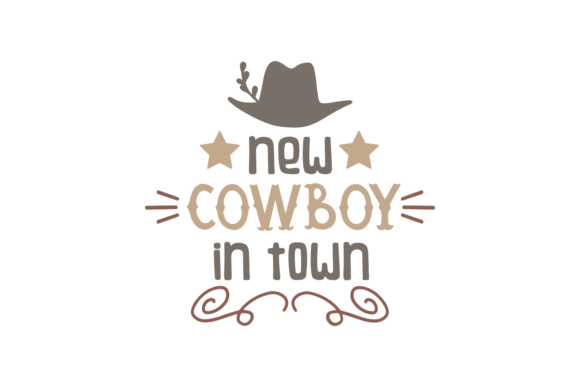
When I first pulled the New Cowboy in Town design file into my digitizing software, I immediately recognized its potential for specific niches. As a designer who reviews embroidery assets for both personal studio work and client projects, I look beyond just the visual appeal of an SVG or vector file. I evaluate how it will translate from a digital screen to a physical stitch-out. This particular design falls squarely into the Crafts and Graphics categories, but its true value lies in its versatility for custom apparel, personalized gifts, and small business merchandise.
First Impressions and Visual Personality
The immediate mood created by New Cowboy in Town is one of rugged charm mixed with modern simplicity. The layout feels balanced, avoiding the cluttered aesthetic that often plagues western-themed designs. For designers working on embroidery project concepts, this balance is crucial. It suggests a theme that can range from rustic farmhouse decor to contemporary streetwear accents.
Visually, the shape relies on clean lines and distinct negative space. This is a smart choice for machine embroidery because it reduces the likelihood of thread breaks and fabric puckering. The design personality is confident without being loud, making it suitable for a wide audience. Whether you are creating a tote bag design for a festival or a subtle accent on a sweatshirt embroidery piece, the graphic holds its own. It feels like a design that belongs in a boutique collection rather than a mass-produced discount item.
Real-World Application: From Screen to Stitch
To truly judge an asset, you have to imagine it on finished goods. Let’s consider a practical scenario: preparing a batch of custom embroidered patches for a local craft fair or listing them as Etsy seller items. New Cowboy in Town translates exceptionally well to small-scale applications. The clear contours allow for precise satin stitches around the edges, which gives the final product a professional, polished look.
I also envision this design thriving on heavier fabrics. Picture a denim jacket or a canvas tote bag design. The weight of the material complements the sturdy feel of the cowboy motif. However, it is not limited to denim. When applied to a soft cotton apron for a kitchen towel gift set, the contrast between the rugged theme and the domestic utility creates a charming juxtaposition that customers love. It works beautifully as a holiday embroidery gift, particularly for fathers, grandfathers, or anyone with a love for western culture.
For digital product sellers and those creating printable mockups, this design offers high recognition value. Buyers instantly understand the theme, which reduces friction in the purchasing process. It fits seamlessly into commercial embroidery catalogs targeting the handmade community. If you are designing a line of baby embroidery onesies with a western theme, this graphic provides a gender-neutral option that stands out from typical floral or animal motifs.
Where Caution Is Required
While the design is versatile, no single asset is perfect for every surface. There are specific scenarios where New Cowboy in Town requires careful handling. First, avoid placing this design on highly textured fabrics like heavy boucle wool or loose-weave linen without proper stabilization. The details may get lost in the fabric weave, ruining the stitch density integrity.
Similarly, be cautious when using this on stretchy knits if you do not have excellent hooping skills. The tension required to keep the fabric flat might distort the circular or curved elements of the cowboy graphic. Furthermore, while the design is detailed, it may struggle in very small hoop sizes. If you attempt to scale it down too much, the individual running stitch or fill stitch areas may merge together, losing definition. Always check the minimum recommended size before committing to a tiny embroidered patch or a miniature accessory.
Dense stitch areas should also be monitored. If the original vector contains overlapping shapes that digitize into dense clusters, you risk needle breakage or fabric distortion. Inspect the underlay stitches in your software to ensure they are appropriate for the fabric type. If you are working with thin fabric, use a tear-away stabilizer; for thicker materials like caps or hats, a cut-away stabilizer is non-negotiable to maintain longevity.
Impact on Product Value and Brand Consistency
In the world of craft business and small shop product development, presentation is everything. Using a well-executed design like New Cowboy in Town elevates the perceived value of your finished product. Customers associate clean stitching and thoughtful design placement with quality. When a buyer receives a personalized gift or a custom apparel item that looks professionally made, their trust in your brand increases.
This design supports brand consistency across various media. It looks sharp in black-and-white mockups, which helps you visualize placement options on different colored garments. It transitions well from a physical tag on a garment to a digital image on social media. For creative entrepreneurs looking to expand into design assets, the clean lines make it easy to adapt for other uses, such as vinyl cutting or screen printing, provided you verify the licensing terms.
Practical Designer Notes for Success
Before you start stitching hundreds of units, follow these essential steps to ensure success:
- Test on Scrap Fabric: Never assume a design will work perfectly on your final material. Stitch it out on the exact fabric you plan to use to check for tension issues.
- Check Thread Contrast: Ensure your thread colors provide enough contrast against the background fabric. Low contrast can hide the intricate details of the cowboy graphic.
- Review Stitch Density: Look at the stitch density in your digitizing software. If areas seem too dense, consider simplifying the design or adjusting the stitch length to prevent bulkiness.
- Confirm Hoop Size: Verify that the design dimensions fit comfortably within your machine’s hoop size, leaving adequate margin for hooping.
- Inspect Small Details: Zoom in on the smallest elements. Are they too fine to stitch reliably? If so, you may need to thicken lines or simplify curves.
- Test Black and White Mockups: View the design in grayscale to ensure the composition holds up without the distraction of color.
- Compare Backgrounds: Test the design on both light and dark fabric backgrounds to see how it performs in different lighting conditions.
- Use Proper Stabilizer: Match your stabilizer to the fabric weight and stretch characteristics to prevent shifting during embroidery.
- Verify Licensing: Most importantly, confirm whether you have the right to sell finished items made from this digital embroidery file. Commercial rights vary, and respecting intellectual property is vital for any Etsy seller or small business owner.
In conclusion, New Cowboy in Town is a strong contender for designers seeking a reliable, thematic asset. It balances aesthetic appeal with technical feasibility, making it suitable for a wide range of embroidery project types. By following best practices regarding fabric selection, stabilization, and testing, you can leverage this design to create high-quality handmade products that resonate with customers. Whether you are decorating a nursery pillow cover or launching a new line of caps and hats, this design offers a solid foundation for creative success.