The Cowboy Elf Embroidery Design Review
As a designer who spends more time staring at stitch density charts and fabric swatches than I care to admit, I approach every new digital asset with a healthy dose of skepticism. The market is flooded with "cute" designs that fall apart under the needle or look muddy when stitched out. That is why I take a closer look at The Cowboy Elf, a design that promises to bridge the gap between whimsical holiday charm and rugged western flair. Whether you are an Etsy seller looking for your next best-seller or a hobbyist wanting to create a unique personalized gift, understanding how this design translates from screen to fabric is crucial.
First Impressions: Mood and Visual Personality
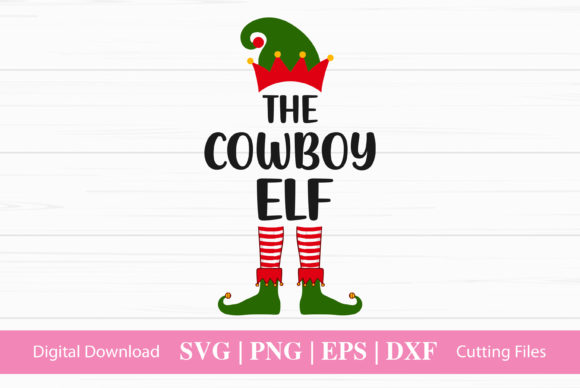
When I first loaded the vector files for The Cowboy Elf, my immediate reaction was one of balanced contrast. The concept itself—a festive elf donning cowboy attire—is inherently playful, but the execution matters more than the idea. From a layout perspective, the design feels grounded. It doesn’t rely on overly intricate filigree that might get lost in the stitching process. Instead, it leans into bold shapes and clear silhouettes, which is exactly what you want for a machine embroidery design intended for mass appeal.
The visual personality strikes a chord for anyone involved in craft business operations right now. We are seeing a shift away from purely traditional Christmas aesthetics toward something more niche and character-driven. This design captures that spirit. It feels like a piece that belongs on a sweatshirt embroidery project for a family matching set, or perhaps as a charming accent on a tote bag design for holiday markets. The mood is warm, inviting, and slightly humorous without being childish. For the Etsy seller, this kind of broad-but-specific appeal is gold because it fits multiple customer avatars: the rural lifestyle enthusiast, the fan of quirky holiday decor, and the buyer looking for something different from the standard reindeer motifs.
Real-World Application: Where Does This Design Shine?
I believe in testing designs in real-world scenarios before recommending them. So, let’s talk about where The Cowboy Elf truly performs. My primary use case for this file would be custom apparel, specifically heavy-weight fabrics. Imagine this design embroidered on a dark charcoal heather sweatshirt. The contrast would pop, and the sturdy nature of the garment can support the weight of the stitches without pilling or warping.
It also works exceptionally well for embroidered patch applications. If you are creating morale patches for outdoor enthusiasts or kids' backpacks, the clean lines of this design hold up well. The shape is compact enough to fit comfortably within standard hoop sizes but detailed enough to catch the eye. I also see strong potential here for holiday embroidery projects like kitchen towels or aprons. A cotton tea towel featuring The Cowboy Elf adds a touch of rustic charm to a farmhouse-style kitchen, making it a perfect personalized gift for housewarmings during the winter season.
For the small shop product owner, versatility is key. This design isn't limited to just clothing. Consider using it on pillow covers for nursery decor or even as a decorative element on baby onesies. The theme is gentle enough for baby embroidery while still retaining the fun aesthetic that parents love. When you are curating design assets for your shop, having a design that crosses over from adult wear to children's items doubles your potential customer base.
Technical Performance and Stitch Clarity
From a technical standpoint, the success of any embroidery file lies in its stitch placement. The Cowboy Elf appears to utilize a mix of satin stitch for outlines and edges, which gives it a crisp, defined look, and fill stitch for larger areas like the hat or vest. This combination is generally forgiving on the machine, reducing the risk of thread breaks or tension issues for intermediate-level embroiderers.
However, clarity is everything. In a crowded marketplace, customers want to know exactly what they are buying. A high-quality printable mockup should always be paired with a close-up stitched-out sample. When I reviewed the detail level, I noted that the facial features and hat brim have sufficient negative space. This prevents the dreaded "blob effect" where distinct elements merge together due to excessive stitch density. For the commercial embroidery professional, this means fewer reworks and higher customer satisfaction rates. The design respects the limits of thread thickness, ensuring that small details remain visible after washing.
Thread Colors and Fabric Texture
One aspect often overlooked is how thread colors interact with fabric texture. Because The Cowboy Elf has a rustic theme, it pairs beautifully with textured fabrics like wool blends, corduroy, or brushed cotton. These materials add depth to the embroidery, making the finished product feel premium. Conversely, if you are working with smooth, synthetic fabrics, you may need to adjust your stabilizer choice to prevent puckering. Always test your color palette against the final fabric. A bright red hat might look vibrant on white but could vibrate uncomfortably against a neon green background. Stick to complementary tones—think deep greens, rich reds, denim blues, and creamy whites—to maintain a cohesive brand aesthetic.
Where to Use With Caution
No design is perfect for every surface, and honest review requires pointing out limitations. I would advise caution when attempting to stitch The Cowboy Elf on stretchy fabric without adequate backing. While the design is robust, stretchy knits can distort the geometry of the embroidery if not stabilized properly. Similarly, on dark fabric, ensure your thread choices have enough opacity. Light pastel threads might get swallowed by black or navy backgrounds, diminishing the visual impact.
Another area requiring careful consideration is small hoop sizes. While the design is likely scalable, shrinking it too much can compromise the integrity of the satin stitch edges. If you are placing this on a cap or a small accessory, check the minimum recommended dimensions. Additionally, avoid placing dense stitch areas directly over seams or zippers, as this can cause machine navigation issues or uncomfortable lumps in the final garment. For curved surfaces like caps, you will need a curved hoop attachment and experience in managing tension on non-flat planes.
Practical Designer Notes for Success
If you are planning to integrate The Cowboy Elf into your workflow, here are some essential steps to ensure a professional result:
- Test on Scrap Fabric: Never assume a design will stitch perfectly on the first try. Run a test on the exact fabric and stabilizer you plan to use for the final product.
- Check Stitch Density: Review the code to ensure the density matches your fabric weight. Too dense for light fabric causes puckering; too sparse for heavy fabric looks thin and cheap.
- Confirm Hoop Size: Verify that the design dimensions fit your available hoop sizes. Scaling up or down significantly can alter the appearance of the running stitch and other details.
- Inspect Small Details: Zoom in on the digital preview. Are there tiny elements that might get lost? If so, consider simplifying the design or adjusting the scale.
- Review Licensing: Before selling finished products or offering this as a digital embroidery file, double-check the licensing terms. Some creators allow commercial use, while others restrict it to personal projects only.
- Use Proper Stabilizer: The right stabilizer makes or breaks the project. For woven fabrics, cut-away stabilizer is usually best for durability. For knits, tear-away might suffice for lightweight items, but cut-away is safer for long-term wear.
Final Verdict
The Cowboy Elf is a solid addition to any graphics library focused on seasonal or western themes. It offers a blend of charm and simplicity that resonates with modern craft trends. For the creative entrepreneur, it provides a versatile template that can be adapted across various product categories, from apparel decorators needing unique sweatshirt designs to handmade shop owners crafting special holiday gifts. By paying attention to fabric selection, stabilization, and thread choice, you can transform this digital file into a high-value embroidery project that stands out in a competitive market. It is practical, visually appealing, and ready to bring a little bit of festive rodeo spirit to your customers' doors.