Cowboy Horse Silhouette: A Rugged and Reliable Embroidery Design
As an experienced designer and embroidery product reviewer, I always look for designs that not only capture a visual theme but also perform well in real-world applications. Cowboy Horse Silhouette is one such design that stands out with its bold simplicity and nostalgic charm. Whether you're creating personalized gifts or launching a new line of custom apparel, this silhouette brings a classic western vibe to any project. Let’s break down what it offers and how it can serve your craft business or creative endeavors.
First Impressions: Bold, Timeless, and Versatile
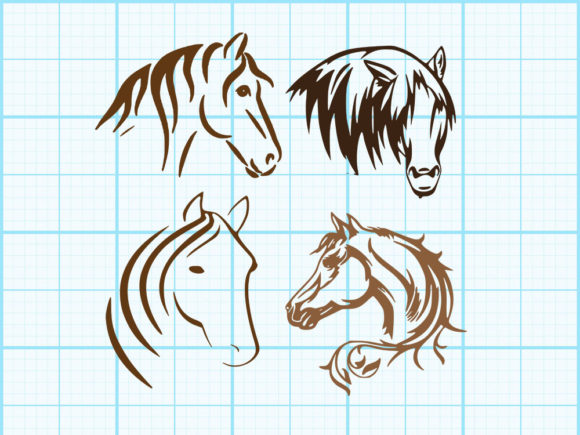
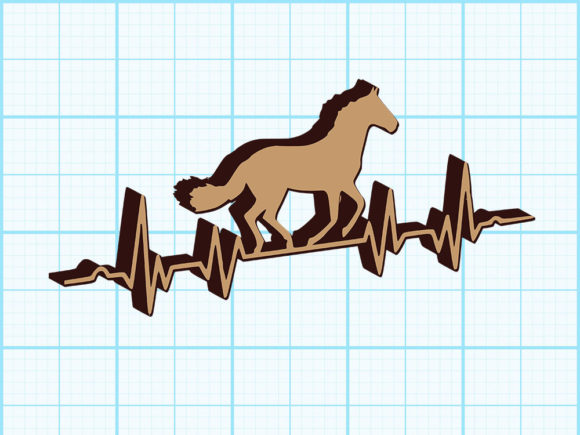
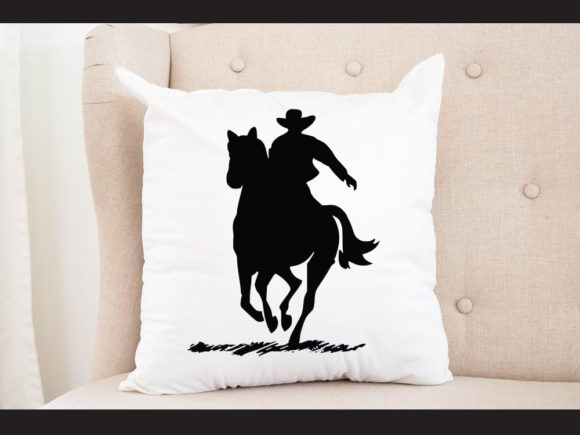
The first thing that strikes me about the Cowboy Horse Silhouette is its strong visual presence. The horse is rendered in a clean, minimalist form—no intricate detailing, no flashy colorwork—just a powerful outline that evokes the spirit of the open range. It feels like the kind of design that could live on everything from a rugged leather jacket to a soft cotton tote bag.
Its layout is centered and balanced, making it easy to position on most garments or fabric items. The lack of fine internal details means it won’t be lost when scaled up or down, which is a huge plus for designers who want flexibility. The mood it creates is both adventurous and grounded; it speaks to craftsmanship and tradition, which makes it a natural fit for handmade products and boutique branding.
Where This Design Thrives
I recently used Cowboy Horse Silhouette on a custom sweatshirt order for a client who runs a western-themed clothing line. The design was stitched using satin stitch around the perimeter and fill stitch for the interior. On medium-weight cotton jersey, it looked sharp and professional. The client loved how it added character without overwhelming the garment, and customers were drawn to the subtle yet striking imagery.
- Custom Apparel: T-shirts, sweatshirts, and jackets benefit from the bold lines and minimal shading of the silhouette. It doesn’t require many thread colors, so it's cost-effective and machine-friendly.
- Tote Bag Design: The flat profile and clear shape work exceptionally well on canvas or twill fabrics. It looks especially great when paired with a simple text overlay for branding or gift-giving purposes.
- Baby Clothes & Nursery Decor: For a more subdued version, I’d recommend using just the outline with a light fill. The design has enough personality to stand out on baby onesies or embroidered wall art without being too intense.
- Holiday Gifts: Think cozy aprons, embroidered pillows, or even decorative tea towels. The design adds a touch of Americana that fits perfectly into seasonal collections.
- Patch Projects: The silhouette works beautifully as an embroidered patch. Its high contrast and defined edges make it ideal for applique techniques, especially when using black thread on light backgrounds.
Real-World Performance: What to Expect After Stitching
In practice, Cowboy Horse Silhouette delivers a consistent result across various materials. The smooth curves of the horse translate well into running stitch outlines, while the solid body benefits from denser satin or fill stitches. I found that the balance between open space and stitched areas helps maintain fabric integrity, especially on delicate or stretchy materials if proper stabilizer is used.
One thing to note is that the design lacks tiny lettering or complex motifs, which is actually a strength. It avoids the pitfalls that come with overcomplicated embroidery files, making it easier to adjust for different hoop sizes and fabric types. That said, I always advise testing the design on scrap fabric before committing to a full run. This lets you assess stitch density, tension, and how well the design holds up after washing or wear.
Design Considerations: Where Caution Is Needed
While Cowboy Horse Silhouette is versatile, there are a few situations where it might need some extra attention:
- Small Hoop Sizes: If you’re working within tight dimensions (like for a cap or small patch), you may need to scale it down carefully to preserve clarity. The horse’s head and neck area could become less distinct at very small sizes.
- Textured Fabrics: On fabrics like denim or flannel, the silhouette might appear slightly rough depending on the machine and thread used. Always use a suitable stabilizer and test stitching.
- Thin or Stretchy Materials: These can cause distortion if the design isn't properly stabilized. Stick to lighter-density fills or consider reinforcing with interfacing underneath.
- Dark Fabric Backgrounds: The design relies heavily on contrast. While the PNG files offer transparency, when using thread-only embroidery on dark fabrics, white or light-colored threads will be essential for visibility.
- Curved Surfaces: When applied to curved surfaces like caps or sleeves, slight warping may occur. Use a smaller hoop size and ensure the design is aligned correctly during digitization.
Despite these considerations, the design remains adaptable. With a little preparation and attention to detail, it can thrive in almost any embroidery project.
Customer Appeal and Brand Value
What sets Cowboy Horse Silhouette apart is its emotional resonance. There’s something instantly recognizable and comforting about a stylized horse—a symbol of freedom, adventure, and tradition. As a result, it naturally appeals to a broad audience, including those interested in western culture, outdoor lifestyles, and vintage aesthetics.
This makes it a strong asset for Etsy sellers and small shop owners looking to add a unique touch to their handmade products. The design elevates the visual appeal of a finished product without overdoing it, which is key for maintaining a cohesive brand identity. It’s also highly giftable, especially when paired with other elements like names, dates, or phrases related to ranch life or cowboy heritage.
From a professional standpoint, the design contributes to customer trust by showing a level of quality and intentionality. It’s not a generic stock file—it has character and purpose. This matters for commercial embroidery projects, where consistency and style are critical for repeat orders and brand recognition.
Designer Notes: Making the Most of Your File
Here are some practical tips I’ve picked up from years of working with similar graphics:
- Test on Scrap First: Before using Cowboy Horse Silhouette on a final product, stitch it on a piece of leftover fabric to evaluate how it looks and feels post-embroidery.
- Check Thread Color Contrast: Especially important for dark fabric projects. White or off-white threads work best, though black can also create a striking effect on light backgrounds.
- Review Stitch Density: Since this is a vector-based design, the fill stitches should be adjusted based on fabric type. Thicker fills suit sturdier materials, while lighter ones keep things breathable and flexible.
- Confirm Hoop Size: Though the exact requirements aren’t listed, always check the recommended hoop size for your machine. Avoid stretching the design unnaturally to fit larger hoops.
- Inspect Small Details: Even though the design is simplified, the corners and curves should still be checked for stitch accuracy, particularly if you plan to use it for patches or layered items.
- Use Black and White Mockups: These help visualize how the design will look regardless of fabric color or lighting conditions. They’re also useful for digital product previews and printable mockups.
- Compare Light and Dark Backgrounds: See how the design adapts to different tones. This ensures your listings or marketing materials accurately represent the final product.
- Stabilizer Is Key: Don’t skip the stabilizer, especially if you're using thin or stretchy fabrics. It’ll prevent puckering and ensure the design lies flat and looks polished.
- Check Licensing: Since this is a digital embroidery file, confirm whether it allows for commercial use. If you plan to sell finished items or digital assets, licensing terms are crucial to avoid legal issues.
Final Thoughts: A Designer’s Perspective
Cowboy Horse Silhouette is a standout in the world of machine embroidery designs. It brings a sense of authenticity and timelessness that’s hard to replicate with generic templates. As someone who evaluates hundreds of graphics each year, I appreciate the thoughtfulness behind this design—it’s not just about looking good, but about performing reliably in the hands of real users.
For hobbyists and makers, it’s a great addition to personal projects or small batch runs. For Etsy sellers and craft businesses, it offers a professional-grade design that can be adapted for multiple product types and customer preferences. And for apparel decorators and boutique owners, it provides a stylish yet functional element that enhances the overall value of the finished product.
If you’re considering adding this to your collection of embroidery project assets, take the time to understand how it behaves with your specific materials and machines. Once you do, you’ll find it’s a reliable partner for many creative uses—from holiday gifts to commercial embroidery runs.