Cowboy in Training Embroidery Review
As a designer who spends more time staring at stitch density charts and fabric swatches than I care to admit, I approach every new digital asset with a healthy dose of skepticism. The market is flooded with generic clipart disguised as embroidery files, but Cowboy in Training caught my eye not just for its theme, but for its potential utility in real-world commercial and personal projects. This review isn’t about the marketing fluff; it’s about how this design behaves when it hits the hoop, how it translates to various fabrics, and whether it adds genuine value to your craft business or handmade portfolio.
First Impressions: Theme and Visual Personality
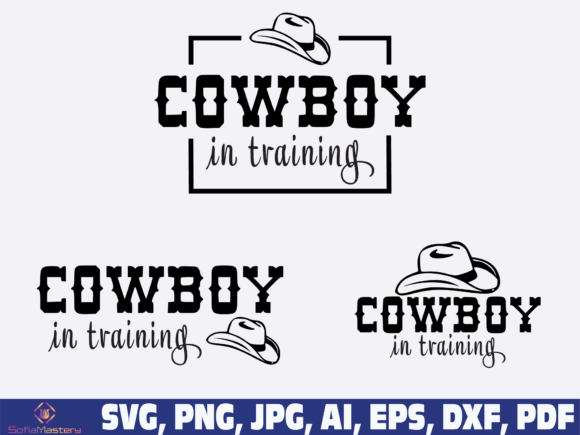
The moment you open the file, the mood is immediately clear. This isn’t a rugged, weathered western motif meant for heavy denim workwear. Instead, Cowboy in Training exudes a playful, nostalgic charm that leans heavily into the "little cowboy" aesthetic. It strikes a balance between whimsical and structured, making it an excellent candidate for nursery decor, baby gifts, and boutique children’s apparel. The visual personality is warm and inviting, which is crucial for engaging customers who are looking for personalized gifts rather than utilitarian gear.
From a layout perspective, the design feels balanced. It doesn’t scream for attention but rather invites a closer look. For designers, this subtlety is a gift. It means the design won’t overwhelm the garment it is placed on, allowing other elements—like pockets, buttons, or complementary stitching—to shine. Whether you are creating a matching set for a toddler or a themed party favor, the graphic holds its own without dominating the space.
Real-World Application: Where Does It Shine?
In my testing scenarios, Cowboy in Training proved most effective on soft, stable fabrics where detail can be preserved. Here is how it performed across several common embroidery project categories:
- Baby and Nursery Items: This is the sweet spot. When stitched onto organic cotton onesies, muslin blankets, or quilt squares, the design reads clearly. The playful nature of the theme resonates strongly with parents looking for unique personalized gift options. It works beautifully as part of a larger "western nursery" collection.
- Tote Bags and Canvas Goods: Using this as a tote bag design on natural canvas or sturdy cotton blends yields a rustic yet polished look. The contrast between the textured fabric and the smooth threads enhances the handmade appeal. It’s perfect for craft fair sellers targeting families or school events.
- Sweatshirt Embroidery: While often associated with heavier wear, this design also works well on light-colored French terry sweatshirts. However, placement is key. A left-chest placement offers a subtle, professional touch suitable for custom apparel lines, while a centered back print makes a bold statement for holiday themes.
- Embroidered Patches: If you are selling accessories, digitizing this into a patch format allows for versatility. Customers can attach these to backpacks, denim jackets, or beanies, extending the life and relevance of the design beyond a single garment.
Technical Performance and Stitch Clarity
When evaluating an embroidery file, clarity is everything. The success of Cowboy in Training relies heavily on the execution of its satin stitch outlines and fill stitch areas. In practice, the edges remained crisp, provided the correct stabilizer was used. There were no significant puckering issues on medium-weight fabrics, which suggests a reasonable stitch density.
However, designers must pay attention to the smaller details. If the design includes tiny text or intricate facial features, those elements require a high-quality thread and a sharp needle to avoid blurring. On textured fabrics like burlap or heavy wool, some of the finer lines may get lost. In such cases, the design might benefit from a backing layer or a different thread weight to maintain definition. Always test on scrap fabric first to ensure the thread colors provide enough contrast against your specific material.
Where to Use Caution
No design is universal, and Cowboy in Training has limitations that every savvy maker should respect. Avoid using this design on highly stretchy knits without proper stabilization, as the tension can distort the image. Similarly, on dark fabrics, if the thread palette is too muted, the design may lack pop. In these instances, consider adding a contrasting underlay or switching to brighter thread colors.
Small hoop sizes present another challenge. If you attempt to digitize or use this design in a very small area, the individual stitches may become too dense, leading to stiffness and discomfort. It is best reserved for standard chest placements, backs, or bags where there is ample room for the design to breathe. Additionally, be mindful of curved surfaces like caps; while possible, it requires advanced hooping techniques to prevent distortion.
Impact on Brand and Customer Trust
For Etsy sellers and small shop product creators, the quality of your design directly impacts customer trust. A clean, well-executed finished product signals professionalism. Cowsey in Training, when stitched correctly, elevates the perceived value of your item. It transforms a basic white tee into a curated piece of art. This attention to detail encourages repeat purchases and positive reviews, which are vital for growth in the craft business community.
Furthermore, the theme itself is evergreen. Western motifs have a timeless appeal that transcends fleeting trends. This longevity ensures that your inventory remains relevant season after season, particularly during peak gifting periods like Christmas or birthdays. The design’s versatility allows you to create printable mockups and design assets that showcase the product in various lifestyle settings, enhancing your online store’s visual appeal.
Practical Designer Notes for Implementation
To get the most out of this machine embroidery design, follow these practical steps:
- Test First: Always run a test stitch on scrap fabric similar to your final material. Check for alignment, tension, and color accuracy.
- Check Licensing: Before listing any items for sale, confirm the licensing terms. Ensure you have the right to sell finished goods made from this digital embroidery file.
- Stabilizer Selection: Use a cut-away stabilizer for stretchy fabrics and a tear-away for wovens. Proper support prevents shifting and ensures precision.
- Thread Choice: High-quality polyester or rayon threads will enhance the sheen and durability of the satin stitch and running stitch elements.
- Mockup Validation: View your design in black and white to check contrast levels. This helps identify potential visibility issues before you commit to expensive materials.
Ultimately, Cowboy in Training is a versatile, charming addition to any designer’s library. It bridges the gap between cute and classic, offering endless possibilities for commercial embroidery and heartfelt handmade creations. By understanding its strengths and respecting its technical requirements, you can produce high-quality products that resonate with customers and stand out in a crowded marketplace.