Cowboy Riding Horse Embroidery Review
As a designer who spends more time than I care to admit staring at stitch lines and testing thread tension, I approach every new digital asset with a mix of optimism and skepticism. The market is flooded with generic clipart masquerading as embroidery files, so when I pulled up Cowboy Riding Horse, I wanted to see if it held up under the microscope of real-world application. This isn’t just about how the image looks on a screen; it’s about how it translates to fabric, how it feels in the hoop, and whether it adds genuine value to a handmade product or a small business inventory.
The first impression of this design is one of classic Americana energy. It captures the rugged spirit of the west without leaning into caricature. For those looking to add a touch of rustic charm to their Farm Amp inspired collections or general Crafts projects, this file offers a strong visual anchor. But does it work for commercial use? Let’s break down the practicalities of using this machine embroidery design in your next project.
Visual Personality and Design Layout
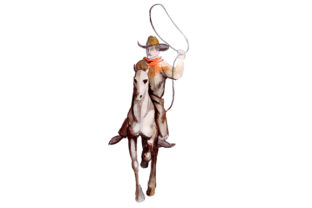
The layout of Cowboy Riding Horse suggests a dynamic movement, which is crucial for embroidery. Static designs can sometimes look flat once stitched, especially if they rely heavily on negative space that doesn’t translate well to thread. Here, the composition feels balanced, likely utilizing a mix of fill stitch for the body of the horse and cowboy, and potentially satin stitch for outlining or key details like the hat brim or reins. The visual personality is bold yet approachable, making it suitable for a wide range of audiences—from kids’ apparel to adult workwear.
What stands out immediately is the clarity of the silhouette. In my experience, the most successful embroidery files are those that remain recognizable even when viewed from a distance. This design achieves that by avoiding overly intricate line work that might get lost in the fabric texture. It has a confident presence, which is exactly what you want when creating a statement piece like a custom jacket or a branded tote bag.
Real-World Application: Where Does It Fit?
I often think about where a design will live before I even start digitizing or purchasing it. Cowboy Riding Horse feels particularly suited for tactile, everyday items. Imagine this embroidered on the chest of a heavyweight cotton sweatshirt. The contrast between the soft fabric and the structured embroidery would create a premium feel. It works beautifully for sweatshirt embroidery projects aimed at rural communities, rodeo enthusiasts, or anyone who appreciates western aesthetics.
Beyond apparel, consider its potential on home goods. A large version of this design could serve as a striking focal point on a throw pillow cover or a kitchen towel. For holiday gifts, especially around Thanksgiving or Christmas, a personalized gift featuring this motif carries a warm, nostalgic vibe. It also translates well to baby embroidery items, such as burp cloths or onesies, provided the scale is adjusted appropriately. The theme is timeless enough to appeal to grandparents buying for grandchildren, adding a layer of emotional value to the handmade product.
For the Etsy seller or small shop owner, this design offers versatility. It can be used on tote bag design projects for farmers markets, or as an embroidered patch to attach to denim jackets and backpacks. The ability to use it across multiple product categories increases its ROI, making it a smart addition to your design assets library.
Technical Considerations and Fabric Choices
While the design looks promising, execution is everything. When planning to use Cowboy Riding Horse, you must consider the substrate. Textured fabrics like bouclé or heavy canvas can obscure fine details, so test your stitch density on a scrap piece first. If you are working with thin or stretchy fabrics, proper stabilizer usage is non-negotiable to prevent puckering or distortion of the horse’s shape.
Color choice plays a significant role in visual appeal. On dark fabric, you will need to choose light-colored threads for maximum contrast, or opt for a tonal embroidery technique if you prefer subtlety. Conversely, on light backgrounds, darker threads will make the design pop. I recommend inspecting small details in black and white mockups to ensure that the contrast levels hold up regardless of the color palette you eventually choose. This step is critical for maintaining brand consistency and professional presentation.
Be cautious with small hoop sizes. While compact, some elements of the design may require a minimum clearance to stitch cleanly. If you attempt to shrink it too much, you risk losing definition in the facial features of the cowboy or the musculature of the horse. Always confirm the recommended hoop size and check the digitization for any areas of high stitch density that might cause thread breaks or needle penetration issues.
Stitch Quality and Durability
A major concern for customers buying custom apparel or commercial embroidery items is durability. Will the design survive frequent washing? Designs that rely too heavily on running stitch for large areas can look sparse and wear out quickly. However, if this file utilizes adequate fill stitches for the main shapes, it should offer good longevity. Ensure that any applique components (if applicable) are securely anchored. For products that need frequent washing, such as aprons or baby clothes, reinforcing high-stress areas during the finishing process is a pro tip that enhances customer trust.
Commercial Viability and Licensing
For those selling finished goods, licensing is paramount. The product description mentions availability in SVG, Transparent PNG, EPS, and DXF formats. While these are excellent for cutting machines or graphic design, they do not automatically grant rights for machine embroidery unless specified. You must verify whether the purchase includes a commercial license for the digital embroidery file. Without explicit permission, selling finished products featuring this design could lead to legal complications. Always review the terms carefully to protect your craft business.
If licensed correctly, this design has strong marketability. It taps into a popular aesthetic that resonates with a broad demographic. Its clean lines and clear imagery make it easy to integrate into broader branding strategies. Whether you are creating a line of western-themed accessories or simply adding variety to your existing catalog, Cowboy Riding Horse provides a solid foundation for engaging content and attractive merchandise.
Final Verdict
In conclusion, Cowboy Riding Horse is a versatile and visually appealing design that meets the needs of both hobbyists and professional designers. Its strength lies in its clear silhouette and adaptable theme, making it suitable for everything from personalized gifts to boutique branding. By paying attention to fabric selection, stitch quality, and licensing requirements, you can leverage this asset to create high-quality, desirable products. Test it thoroughly, experiment with different thread colors, and watch how it elevates your embroidery project offerings.