Cowboy Sitting by Fire: A Designer’s Review
When I pull a new digital embroidery file into my hoop simulation software, I am rarely looking for just a pretty picture. I am looking for viability. Can this design survive the tension of a sewing machine? Will it hold up after twenty wash cycles in a customer’s home? Does it tell a story that makes someone stop scrolling on Etsy or pause at a craft fair booth? Today, I am putting Cowboy Sitting by Fire through that exact gauntlet. Sourced from the Farm Amp category under Crafts, this piece promises rustic charm, but does it deliver professional-grade execution for real-world projects?
First Impressions and Visual Mood
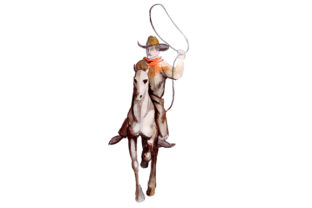
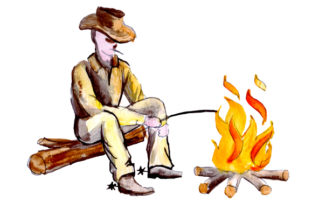
The immediate visual impact of Cowboy Sitting by Fire is one of quiet nostalgia. In an era where fast fashion dominates, there is a distinct hunger for imagery that feels grounded and authentic. This design captures that essence perfectly. The composition centers on a solitary figure, evoking themes of solitude, warmth, and the American West. For a designer, the layout is balanced; it is not cluttered with unnecessary noise, which allows the primary subject to breathe.
What strikes me most is the atmospheric quality. Even in a static digital preview, you can almost feel the heat radiating from the fire. This emotional resonance is critical for handmade products. When a buyer sees a finished product featuring this motif, they are not just buying a cowboy; they are buying a feeling of comfort and tradition. It is a mood that translates exceptionally well to soft goods like fleece blankets, heavy cotton aprons, and knitwear. The visual personality here is rugged yet approachable, making it versatile enough for both masculine-coded items like caps and workwear, as well as cozy, unisex home decor.
Real-World Application: From File to Finished Product
Let us move beyond the screen and talk about production. I recently considered using Cowboy Sitting by Fire for a custom batch of embroidered tote bags intended for a boutique gift shop. Here is how the design performed in my mental mockup process.
Custom Apparel and Sweatshirts
This design shines on heavyweight fabrics. Imagine this stitched onto a charcoal grey crewneck sweatshirt or a denim jacket. The contrast between the dark fabric and lighter thread colors (assuming a standard palette) would pop beautifully. The silhouette of the cowboy sitting by the fire works well as a chest pocket placement or a larger back print. For sweatshirt embroidery, the design’s moderate detail level ensures it remains legible even when viewed from a distance. It adds a layer of artisanal value that mass-produced prints simply cannot match.
Home Decor and Kitchen Textiles
I also envision this design thriving on kitchen textiles. Picture Cowboy Sitting by Fire stitched onto a flour-sack towel or a burlap-style tea towel. The rustic theme aligns perfectly with farmhouse aesthetics, a perennial favorite in the craft business world. It serves as an excellent personalized gift for housewarmings or holiday exchanges. The design’s warm tones suggest firelight, which psychologically complements the idea of cooking and gathering around a table.
Accessories and Small Goods
For smaller items like embroidered patches or cap fronts, the design requires careful scaling. If adapted as a patch, the outline needs to be clean to ensure it adheres properly to hats or backpacks. As a tote bag design, it offers ample space for branding text nearby, creating a cohesive look for small shop owners looking to build a recognizable brand identity.
Where Caution Is Required
No design is without its challenges, and Cowboy Sitting by Fire has specific constraints that every embroiderer must respect. Ignoring these can lead to puckering, thread breaks, or a muddy final image.
- Hoop Size and Scale: While the design looks great large, shrinking it too far down may cause fine details to disappear. On very small hoops, the distinction between the cowboy’s features and the fire’s flames might blur. Always test at your target size first.
- Fabric Texture: This design relies on clear lines. On highly textured fabrics like chunky knits or rough burlap, the stitching may get lost. It performs best on smooth to medium-texture fabrics like cotton twill, canvas, or jersey.
- Dense Stitch Areas: If the fire element uses dense fill stitches, it can become stiff. On delicate items like baby clothes, this stiffness might be uncomfortable. For baby embroidery, consider simplifying the fire area or using fewer layers of stitch density.
- Curved Surfaces: Embroidering on curved surfaces like baseball caps or rounded pillow corners can distort the circular nature of a fire. You may need to use a specialized cap frame and adjust the hooping technique to maintain the design’s integrity.
Technical Considerations for the Professional
As a reviewer, I must emphasize the technical steps required before committing to a full production run. The file formats provided—SVG, Transparent PNG, EPS, DXF—are primarily vector and graphic formats. While some modern machines can read certain vector files, many embroiderers will need to digitize these graphics into machine-readable formats if they do not come with a native .PES, .DST, or .JEF file included. If you are receiving these as digital assets for printing or applique, they are excellent. If you intend to machine embroider directly, verify the digitization quality.
Thread Color Contrast
The success of this design hinges on thread selection. To capture the "fire" aspect, you will likely need a gradient of reds, oranges, and yellows. Ensure your thread choices have sufficient contrast against your base fabric. On dark fabrics, light threads will create a striking, high-impact look. On light fabrics, darker threads may be needed to define the cowboy’s silhouette.
Stabilizer and TensionProper stabilization is non-negotiable. For this type of design, which likely contains both satin stitches (for outlines) and fill stitches (for the fire and clothing), a cut-away stabilizer is recommended for woven fabrics to prevent distortion over time. For knits, a tear-away or water-soluble top stabilizer might help reduce bulk. Always check your stitch density; if the design is too dense, it will feel like plastic. If it is too sparse, it will lack body.
Commercial Viability and Branding
For Etsy sellers and small shop product creators, Cowboy Sitting by Fire offers strong commercial potential. It taps into the enduring popularity of western, rustic, and outdoor themes. It is gender-neutral enough to appeal to a broad audience, from hunters and ranchers to lovers of cozy cabin aesthetics.
Consider how this fits into your broader catalog. It pairs well with other nature-themed designs, such as mountains, trees, or wildlife. Using it on holiday gifts like Christmas stockings or New Year’s Eve party favors can drive seasonal sales. Furthermore, because the design conveys warmth and authenticity, it enhances customer trust. Buyers associate high-quality embroidery with care and craftsmanship, which justifies a higher price point compared to printed goods.
Final Verdict
Cowsey Sitting by Fire is more than just a graphic; it is a narrative tool. It brings a sense of history and comfort to any textile project. While it demands respect regarding scale, fabric choice, and technical execution, the payoff is a finished product that feels premium and heartfelt. Whether you are creating a custom apparel line, filling orders for a local market, or designing digital embroidery file bundles for other creators, this design earns its place in your library. Just remember: always test on scrap fabric, confirm your licensing rights for commercial use, and let the quality of your stitching speak for itself.