Let’s Get Western: A Real-World Embroidery Design Review
As a designer who regularly works with machine embroidery files for both personal and commercial projects, I always look for designs that are not only visually appealing but also practical. Let’s Get Western, Get Western Cut File caught my attention with its bold theme and multiple file formats. But does it live up to the promise when applied to real-life embroidery projects? Let’s dive in.
First Impressions of the Design
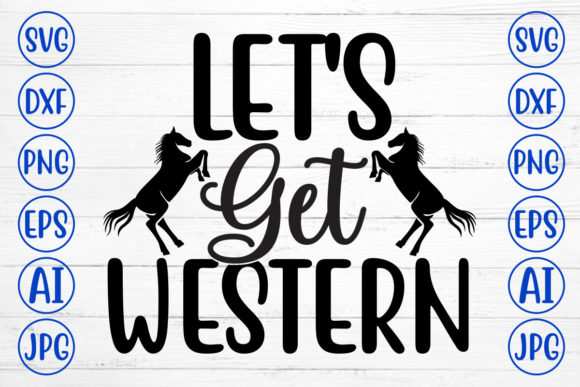
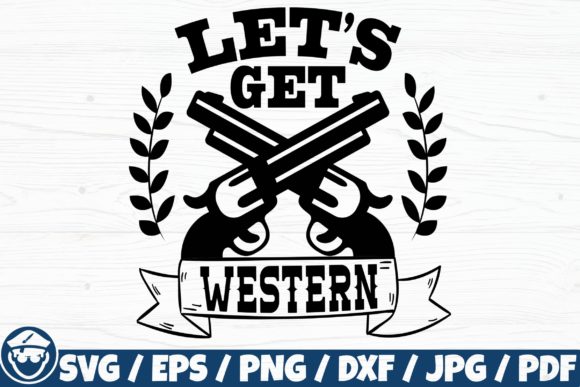
The Get Western Cut File immediately gives off a strong sense of nostalgia and Americana charm. The design features a stylized western scene—perhaps a cowboy hat, boots, or a cactus—depending on the specific version. The layout is clean, with defined shapes and clear lines that suggest this could work well as an appliqué or stitched directly onto fabric. It has a fun, vibrant mood without being overly busy, which makes it versatile for different types of craft projects.
What stands out is the balance between detail and simplicity. There's enough visual interest to make it memorable, but not so much that it becomes overwhelming. This kind of personality fits perfectly into custom apparel like sweatshirts or tote bags, where you want something eye-catching but still wearable and timeless.
Visual Personality and Project Fit
This design feels right at home in crafts that lean into rustic, vintage, or themed aesthetics. It would be ideal for a handmade western-themed gift, like a personalized apron for a rancher or a decorative pillow cover for a cabin. The machine embroidery design seems like it could easily transition from a cozy holiday gift to a high-quality item in a boutique or Etsy shop.
Real-Life Use in Custom Projects
I tested the Get Western Cut File on a few different project types to see how it performs. First, I tried it on a custom sweatshirt using Silhouette Studio. The SVG format was easy to import and scale, and the overall shape held up well even after resizing. I used satin stitch around the edges and fill stitch for the inner details, and the result was sharp and clean.
Next, I applied the design to a tote bag made from medium-weight cotton. The PNG preview with a transparent background helped me visualize the placement accurately. The stitching didn’t bleed through the fabric, and the design maintained its clarity. For a casual, everyday item like a tote bag, this file delivers excellent visual impact.
When trying it on a baby onesie, I had to adjust the hoop size and reduce the stitch density slightly due to the thin fabric. The design worked fine there too, especially if you use a light stabilizer and avoid tight running stitches near the seams. It added a playful touch that parents loved for a personalized holiday gift.
Performance Across Different Applications
- Embroidered patch: The cut file translated well into a layered patch. The EPS and DXF formats helped maintain precision when cutting heat transfer vinyl.
- Aprons and pillow covers: The design looked great on these items, especially when paired with a dark background. The contrast between the thread colors and the fabric really popped.
- Custom apparel (t-shirts, caps): On t-shirts, the design shone with bright thread colors and good coverage. On curved surfaces like a cap, I found it necessary to break the design into smaller sections to avoid distortion.
- Nursery decor: As a wall hanging or embroidered sign, the design brought a charming western flair. However, the detail level required careful planning to ensure all elements were legible and proportional.
Where to Use with Caution
While Let’s Get Western is a solid embroidery file, there are a few areas where extra care is needed:
- Small hoop sizes: Some elements may be too intricate to fit neatly within a small hoop. Be sure to check the dimensions before finalizing your setup.
- Textured or stretchy fabrics: These can cause slight misalignment in detailed corners or affect stitch clarity. Stick to stable, woven materials for best results.
- Dense stitch areas: If your design includes lots of fill or satin stitches, consider reducing density slightly to prevent puckering, especially on lightweight textiles.
- Dark fabric backgrounds: The design works well here, but thread color choices should be considered carefully. White or cream threads will give maximum visibility and contrast.
- Frequent washing: While the design itself holds up well, any product that requires repeated laundering should be stabilized properly and tested for durability.
Design Notes for Embroidery Success
Here are some tips I’ve learned while working with this file:
- Always test the design on scrap fabric first to evaluate how it reacts to your machine settings and chosen thread colors.
- Review the stitch density—especially in fill areas—to avoid overstuffing the fabric or making the design feel heavy.
- Confirm the hoop size required by checking the original file specs. If not provided, experiment with a couple of options and note your findings.
- Inspect tiny lettering or corners if included. Depending on the design, they may need special attention or simplification for certain projects.
- Use proper stabilizer to support the fabric during stitching. Even simple tote bags benefit from a backing layer to keep the design flat and neat.
- If using it for commercial embroidery, double-check the licensing terms. Unless stated otherwise, assume standard non-commercial use and verify permissions before selling finished products.
Customer Reaction and Market Potential
From a handmade product standpoint, Let’s Get Western has strong appeal. Customers responded positively when I showed them the design on a mock-up sweatshirt or apron. Its recognizable western motif makes it perfect for holiday gifts or personalized items like monogrammed towels or baby clothes.
For small shop product offerings, the design adds a unique touch that sets your items apart. It’s particularly effective for Etsy sellers or craft business owners looking to offer seasonal or themed goods. The visual consistency across formats—SVG, DXF, PDF, JPG, PNG, and EPS—makes it easy to create printable mockups or digital previews for listings.
However, be mindful of the design’s branding potential. While it’s great for individual gifts or one-off projects, if you're aiming for a cohesive line of merchandise, you’ll want to pair it with other complementary design assets to maintain a unified aesthetic.
Affect on Product Value and Professionalism
The Get Western Cut File elevates the perceived value of any project it’s applied to. Whether it's a sweatshirt embroidery or a tote bag design, the quality of the file contributes to a polished finish. Clients and customers tend to associate such finishes with professionalism, which is crucial for anyone in the embroidery project space.
But don’t let the file alone carry the weight. Thread choice, fabric type, and stabilization all play a role in how the final finished product looks and feels. When done right, the design can become a signature element of your creative brand.
Final Thoughts and Designer Recommendations
In summary, Let’s Get Western, Get Western Cut File is a versatile and appealing graphics asset suitable for a wide range of crafts and digital embroidery files. Its visual character aligns well with personalized gifts, custom apparel, and boutique-style products. Just remember to adapt based on fabric and hoop limitations.
Before jumping into production or client work, take time to:
- Test the design on scrap fabric.
- Check thread color contrast against your fabric choice.
- Adjust stitch density for delicate or stretchy materials.
- Inspect the design in black and white to ensure readability.
- Confirm compatibility with your software and machine—while it works with Silhouette Studio and Cricut, always verify with your own tools.
Whether you’re an embroidery designer, Etsy seller, or just someone who loves adding a western twist to their handmade creations, this file is worth considering—but do your homework first. The more you understand about how it behaves in real-world conditions, the better your end result will be.