Western Embroidery Design Review
When I sit down to evaluate a new design file, my first instinct is always practical. I am not just looking at the vector lines on a screen; I am visualizing the finished product hanging in a boutique, sitting on a customer’s shoulder, or being gifted to a loved one. Today, I am reviewing the Western embroidery design. This piece falls squarely into the Crafts and Graphics categories, but its true value lies in how it translates from a digital SVG cut file into a tangible, stitched reality. As someone who frequently designs for small businesses and custom apparel clients, I look for designs that offer versatility, clear visual hierarchy, and a distinct mood without requiring excessive digitizing adjustments.
First Impressions: Mood and Visual Personality
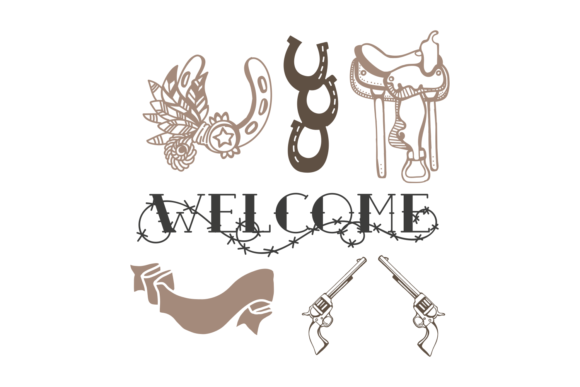
The moment you open the Western design, the aesthetic speaks for itself. It carries a rugged yet refined energy, reminiscent of vintage rodeo posters, classic saloon doors, or high-end western wear branding. The layout feels balanced, likely utilizing strong geometric shapes or bold typography that anchors the composition. For an embroidery designer, this is crucial. A design that relies too heavily on delicate, hairline details often gets lost in the stitch work, but Western appears to have enough visual weight to stand out even when rendered in thread.
The mood is nostalgic but modern. It evokes feelings of adventure, craftsmanship, and tradition. This makes it an incredibly versatile asset. It does not feel like a fleeting trend; instead, it has the longevity of a classic motif. Whether you are creating a handmade product for a local craft fair or building a brand identity for an online shop, this design brings a sense of authenticity that customers respond to. It feels established, confident, and ready for production.
Real-World Application: From Screen to Stitch
To truly understand the utility of Western, we need to look at where it shines in actual project scenarios. Let’s imagine a specific use case: preparing a custom embroidered tote bag for a holiday market. Tote bags are a staple for any Etsy seller or craft business, but they can be tricky due to fabric texture and stability. If Western is applied here, the bold nature of the design would pop against canvas or denim. The contrast between the thread and the heavy fabric would create a professional finish that suggests quality.
Consider also the application on sweatshirt embroidery. Western-themed apparel is perennially popular, especially during cooler months. Placing this design on the chest of a crewneck or centered on the back of a hoodie creates an instant statement piece. The design’s structure likely handles the slight stretch of knit fabrics well, provided the correct stabilizer is used. Furthermore, think about personalized gifts. A Western monogram or initial combined with the main graphic could serve as a stunning centerpiece for a baby shower gift, such as a onesie or a nursery wall hanging. The theme fits seamlessly into baby embroidery projects that aim for a rustic or bohemian aesthetic.
For commercial embroidery purposes, this design offers excellent branding potential. Imagine a small leather goods maker using Western to brand their patches. The clean lines translate well to applique techniques, allowing for crisp edges that define the brand’s logo. It works equally well as a standalone decorative element on aprons, kitchen towels, or pillow covers, adding a touch of farmhouse charm to home decor items.
Strategic Considerations and Limitations
No design is perfect for every situation, and honest review requires acknowledging where caution is needed. While Western is robust, it may not be the ideal choice for very small hoop sizes. If you are attempting to fit this design onto a tiny accessory, such as a child’s sock or a miniature patch, the details might become muddy or indistinguishable. In these cases, the intricate elements could merge, losing the clarity that makes the design appealing.
Fabric choice is another critical factor. Textured fabrics, such as chunky knits or rough burlap, can distort the stitch path. Thin or highly stretchy materials require careful hooping and potentially additional stabilizer layers to prevent puckering. If you plan to use Western on dark fabric, you must carefully select your thread colors to ensure sufficient contrast. A light-colored design on black denim will look striking, but a low-contrast palette might get swallowed by the background. Additionally, avoid placing dense stitch areas over curved surfaces like caps unless you have experience with 3D puff embroidery or precise multi-head programming. The tension must be perfectly calibrated to maintain the shape.
Impact on Product Value and Customer Trust
In the world of handmade goods, presentation is everything. A well-executed embroidered patch or tote bag design signals professionalism and attention to detail. When customers see a clean, stable stitch job, they perceive higher value. They trust that the item was made with care and skill. Using a design like Western, which has a strong visual identity, helps your product stand out in a crowded marketplace. It gives buyers an immediate emotional connection, whether they are drawn to the nostalgia or the style.
For printable mockups and design assets, this design allows you to showcase versatility. You can demonstrate how the same graphic looks on different textiles, helping potential buyers visualize the final result. This transparency builds trust and reduces hesitation, leading to higher conversion rates. Moreover, the timeless nature of the theme ensures that your products remain relevant longer, reducing the risk of unsold inventory due to outdated trends.
Practical Designer Notes for Execution
Before committing to a full production run, there are several steps any serious designer should take. First and foremost, test the design on scrap fabric. This allows you to assess how the stitch density interacts with the material. Check if the applique design edges lay flat or if they curl. Inspect the satin stitch coverage to ensure there are no gaps or loose threads.
Review the hoop size requirements carefully. Ensure your machine can accommodate the dimensions without compromising the placement. If the design includes fine details, consider testing it in a black and white mockup to verify that the contrast holds up. Compare the look on both light and dark fabric backgrounds to determine the best colorway. Always use the proper stabilizer—cut-away for stretchy fabrics and tear-away for wovens—to maintain structural integrity.
Finally, pay close attention to licensing. If you intend to sell finished items featuring Western, confirm that the license permits commercial use. Distinguish between personal projects and digital embroidery file resale rights. Many designers overlook this step, leading to legal complications later. By verifying these details upfront, you protect your small shop product business and ensure ethical practices.
In conclusion, Western is a strong contender for any embroiderer looking to add a touch of classic flair to their repertoire. Its adaptability across various embroidery project types—from custom apparel to home decor—makes it a valuable asset. With careful execution and attention to detail, this design can help you create finished product lines that resonate with customers and elevate your brand presence.