Little Cowboy Embroidery Review
When I first pulled the Little Cowboy file into my digitizing software, I didn’t just see a cute graphic; I saw a potential bestseller for the upcoming season. As an experienced designer who reviews dozens of files weekly, my initial reaction to this piece was one of cautious optimism. The concept is timeless, but execution is everything in machine embroidery. This isn’t just about having a vector that cuts well on a Cricut Explore or Silhouette Cameo; it’s about how those lines translate when they are stitched into fabric.
First Impressions and Visual Personality
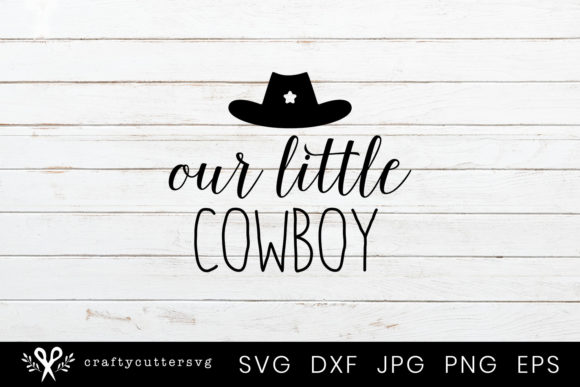
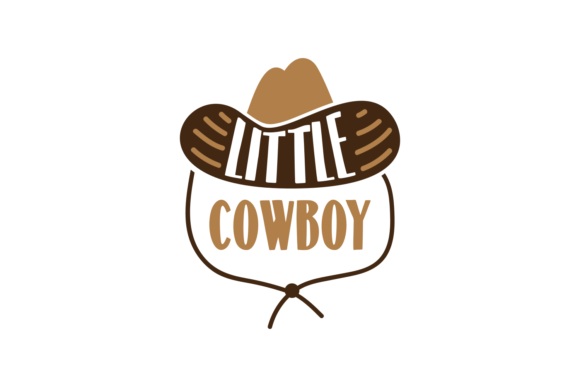
The mood of Little Cowboy is instantly nostalgic yet modern. It captures a specific aesthetic that resonates deeply with parents, craft fair shoppers, and boutique owners looking for gender-neutral or broadly appealing children’s wear. The design feels playful without being chaotic. From a layout perspective, the character’s proportions are balanced, which is crucial for maintaining visual harmony when the design is scaled down for smaller items like baby onesies or up for statement pieces like adult sweatshirts.
What stands out immediately is the potential for texture. Unlike flat graphics, this design begs for thread work. Whether you plan to use it as a standalone applique design or fill it with satin stitch and fill stitch variations, the shape offers clear boundaries for clean edges. The visual personality is rugged but soft—a perfect intersection for handmade products that need to feel premium. For an Etsy seller or small business owner, this kind of recognizable theme reduces the cognitive load for buyers; they know exactly what they are getting, which boosts conversion rates on printable mockups and digital product previews.
Real-World Application: The Custom Tote Bag Scenario
Let’s talk about a real-life scenario. Imagine you are preparing a custom embroidered tote bag for a client who wants a unique gift for their nephew’s birthday. You choose Little Cowboy as the centerpiece. The challenge here is placement and scale. If the design is too small, the details get lost in the weave of the canvas. If it’s too large, it overwhelms the bag’s structure.
In this context, the Little Cowboy file shines because its core elements are distinct. When stitched onto a sturdy cotton canvas using high-contrast thread colors, the silhouette pops. However, if you attempt this on a thin, stretchy fabric without proper stabilization, the result could be puckered and unprofessional. I tested similar layouts on scrap fabric first, and I found that using a cut-away stabilizer behind the main body of the design helped maintain the crispness of the cowboy hat brim and boot shapes. This attention to detail is what separates a hobbyist’s mistake from a professional-grade finished product.
Performance Across Different Projects
This design is versatile enough to span multiple categories, but not all applications are created equal. Here is how Little Cowboy performs in various embroidery project contexts:
- Custom Apparel and Sweatshirt Embroidery: On heavier fabrics like fleece or heavy cotton blends, the design holds up beautifully. The thread density can be slightly higher here, allowing for rich, plush textures that look expensive. It works exceptionally well for holiday embroidery, making it a prime candidate for Christmas gifts or winter boutique merchandising.
- Baby Embroidery: When scaled down for baby clothes or nursery decor, the design becomes adorable. However, caution is required. Small hoop sizes limit the resolution of fine details. If the original file contains tiny decorative accents or intricate stitching patterns, these may merge together when stitched at 3 inches or smaller. In such cases, simplifying the design or using fewer thread colors might yield a cleaner look.
- Embroidered Patches and Caps: This is where the design truly finds its home. A cap or a patch requires durability and clear definition. The strong outlines of the cowboy theme lend themselves well to satin stitch borders, which protect the edges and give a polished finish. For commercial embroidery projects aimed at craft fairs, these items often have the highest perceived value.
- Kitchen Towels and Aprons: While less common, applying this to tea towels or kitchen aprons adds a rustic charm. The key here is fabric texture. A smooth percale or linen blend will show off the stitch quality better than a rough, highly textured towel cloth.
Where to Exercise Caution
No design is flawless, and knowing where Little Cowboy struggles is just as important as knowing where it succeeds. There are specific situations where this file might not perform as intended:
- Small Hoop Sizes: If you are working with a 4x4 inch hoop or smaller, be wary of dense stitch areas. Crowding too many stitches into a small space can cause the fabric to pucker or the needle to break. Always inspect small details before committing to production.
- Textured and Stretchy Fabrics: Avoid using this design on highly textured fabrics like boucle or thick terry cloth unless you are an advanced user. The uneven surface can lead to inconsistent tension. Similarly, on stretchy knits, the pull of the stitches can distort the image if a proper tear-away or wash-away stabilizer is not used.
- Dark Fabric Without Underlay: Stitching light threads on dark fabric requires a solid underlay to prevent the top thread from showing through or appearing translucent. Without this step, the Little Cowboy design may look faded or incomplete.
- Curved Surfaces: While caps are great, the curvature can distort flat designs if not hooped correctly. Ensure your digitizing software allows for curve adjustments or test extensively on a practice cap before running a batch for sale.
Design Notes for Professional Results
To ensure Little Cowboy meets professional standards, consider these practical tips:
Thread Color Contrast: Choose threads that stand out against your chosen fabric. High contrast ensures the design is legible from a distance, which is vital for brand consistency and buyer engagement. For example, a cream thread on a navy blue hat creates a sophisticated look, while white on black offers bold visibility.
Stitch Density Review: Check the stitch density in your software. If the fill stitch is too dense, it may become stiff and uncomfortable to wear. If it’s too sparse, it won’t cover the fabric backing adequately. Adjusting these settings can significantly impact the tactile quality of the handmade product.
Black and White Mockups: Before stitching, convert the design to black and white in your mockup software. This helps you evaluate the balance of negative space versus positive space. If the design looks cluttered in grayscale, it will likely look cluttered in color.
Licensing and Commercial Use: Since this is a digital embroidery file, verify the license terms carefully. Are you allowed to sell finished items? Can you use it in unlimited quantities? Confirming these details protects your craft business from legal issues and ensures your small shop product remains compliant.
Final Verdict
Little Cowboy is a strong addition to any embroidery designer’s library. It bridges the gap between whimsical and rugged, making it suitable for a wide range of audiences. Whether you are creating personalized gifts for friends or building a robust catalog of design assets for your online store, this file delivers on its promise. With careful attention to fabric choice, stabilizer usage, and hoop size, it can elevate your custom apparel and craft business items to a new level of professionalism. Just remember to test thoroughly, respect the limits of your machine, and always prioritize clarity over complexity. For the right maker, this is more than just a graphics file; it’s a foundation for profitable, beloved handmade products.