Trust Me I m a Cowboy Embroidery Review
When you are sifting through thousands of digital assets for your next embroidery project, the decision often comes down to more than just how the design looks on a screen. It is about how it translates into thread, how it sits on fabric, and whether it resonates with the customer who will eventually wear or use it. As a designer who reviews files before they hit the hoop, I recently evaluated the "Trust Me I m a Cowboy" SVG vector cutting file. While marketed as a versatile graphic for cutting machines like Cricut Explore and Silhouette Cameo, its potential as a machine embroidery design is where the real creative challenge—and opportunity—lies.
First Impressions: The Mood and Visual Personality
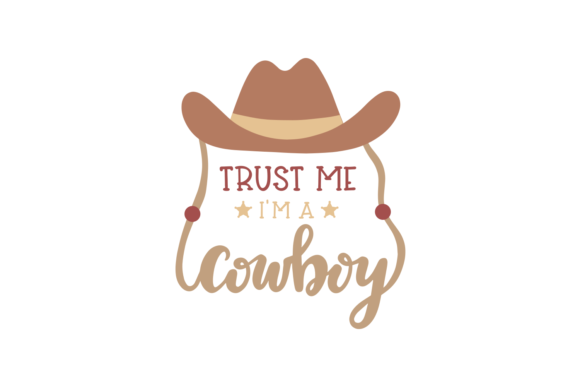
The phrase "Trust Me I m a Cowboy" carries a specific cultural weight. It evokes a sense of rugged individualism, playful confidence, and Americana. Visually, this isn’t just text; it’s a statement piece. When I first loaded the file into my digitizing software to assess its layout, the immediate takeaway was its boldness. The typography appears sturdy, likely relying on thick strokes that suggest durability. For an embroidery file to work effectively in this genre, it needs to avoid looking delicate or overly ornate. This design leans into that strength.
The visual personality suggests it belongs naturally in casual, lifestyle-oriented spaces. It feels right at home on a denim jacket, a canvas tote, or a rustic wooden sign backdrop. However, the transition from a static vector to a stitched handmade product requires careful consideration. The humor and attitude of the phrase must remain intact after the stitching process. If the lettering becomes too distorted by stitch density or if the curves wobble due to poor stabilization, the confident tone of the message can be lost, making the final item look amateurish rather than artisanal.
Real-World Application: Where This Design Shines
In my experience reviewing designs for small business owners and Etsy sellers, certain themes have higher conversion rates because they tap into identity. This design fits perfectly into several high-demand categories. Let’s look at how it performs in actual production scenarios.
- Custom Apparel and Sweatshirt Embroidery: This is perhaps the strongest use case. Placing this design on the chest of a heavyweight cotton sweatshirt or the back of a trucker hat creates an instant custom apparel item. The contrast between the rugged theme and the soft texture of fleece or denim works well. For sweatshirt embroidery, using a contrasting thread color—like cream or gold on black denim—can make the design pop without overwhelming the garment.
- Tote Bag Design and Accessories: A tote bag design featuring this phrase appeals to shoppers looking for everyday carry items with personality. Because totes are often made of durable canvas, they can handle the weight of fill stitches and satin borders without puckering. This makes it an excellent entry-level product for craft fairs or boutique branding.
- Baby Embroidery and Nursery Decor: Surprisingly, this theme also has a niche in baby gifts. Parents who enjoy western or boho aesthetics often seek out unique namesakes for nurseries. Here, the design might be scaled down and paired with smaller elements like stars or horseshoes. In baby embroidery, clarity is key; the letters must be large enough to be legible but small enough to fit within standard 4x4 or 5x7 hoops.
- Holiday Embroidery and Gifts: During Q4, novelty gifts sell exceptionally well. This design works beautifully as a personalized gift for someone celebrating a birthday, retirement, or simply as a humorous token for a friend who loves the cowboy aesthetic. It adds a layer of giftability that plain monograms lack.
Technical Considerations and Potential Pitfalls
While the concept is strong, execution is everything. Not every surface is created equal, and understanding where this design should be used carefully is crucial for maintaining professional standards.
Fabric Texture and Stability: Avoid placing this design on highly textured fabrics like chunky knits or loose-weave burlap unless you are using a heavy-duty stabilizer. The needle penetration can become inconsistent, leading to skipped stitches. Similarly, thin fabrics like silk or lightweight rayon require a cut-away stabilizer to prevent the tension of the threads from distorting the material. If you are working on stretchy fabrics, such as jersey knit t-shirts, you must ensure the design includes adequate underlay stitches to keep the fabric flat.
Hoop Size and Detail Level: One of the biggest risks with text-based designs is shrinking them too small. If you attempt to digitize this for a tiny embroidered patch or a miniature accessory, the fine details of the letters may merge together. Always check the minimum recommended hoop size for readability. If the letters are too close together, the running stitch or fill stitch areas can bleed into one another, creating a muddy appearance. Test the design in a black-and-white mockup to see if the negative space remains clear.
Dense Stitch Areas: If the original vector includes decorative elements like spurs, hats, or intricate borders, be wary of excessive stitch density. Too many layers of thread can make the fabric stiff and uncomfortable to wear. For commercial embroidery projects intended for mass sale, comfort is just as important as aesthetics. Aim for a balance where the design looks substantial but doesn’t weigh down the garment.
Practical Designer Notes for Testing
Before committing to a full run of products, follow these steps to ensure quality control:
- Test on Scrap Fabric: Always stitch out the design on the exact type of fabric you plan to use. This reveals issues with thread tension, color contrast, and fabric distortion that aren't visible on screen.
- Check Thread Color Contrast: Ensure there is sufficient contrast between the thread and the fabric. Low-contrast combinations can make the text hard to read, especially in low-light settings.
- Review Stitch Density: Zoom in on the digitized file to inspect the angle and spacing of the stitches. Look for any areas where the underlay might cause puckering.
- Confirm Licensing: Since this is a digital asset, verify the license terms before selling finished items. Some digital embroidery files allow personal use only, while others permit commercial sales. Protect your craft business by ensuring you have the right permissions.
- Create Printable Mockups: Use the vector file to create high-quality printable mockups for your online store. This helps customers visualize the final product and increases buyer engagement.
Final Verdict: Is It Worth the Investment?
"Trust Me I m a Cowboy" offers a compelling blend of humor and style that resonates with a broad audience. Its versatility allows it to span multiple categories, from apparel decorators to makers of kitchen towels and pillow covers. The key to success lies in thoughtful execution. By paying attention to fabric choice, stabilizer usage, and stitch quality, you can transform this simple phrase into a premium finished product that customers will love.
For Etsy sellers and small shop product creators, this design provides a solid foundation for expanding your catalog. It encourages creativity in styling and pairing, allowing you to build a cohesive brand identity around western or rustic themes. Just remember to test thoroughly, respect licensing agreements, and prioritize the tactile experience of the end user. When done right, this design doesn’t just sit on the fabric—it tells a story.