★★★☆☆3.9(278 reviews)
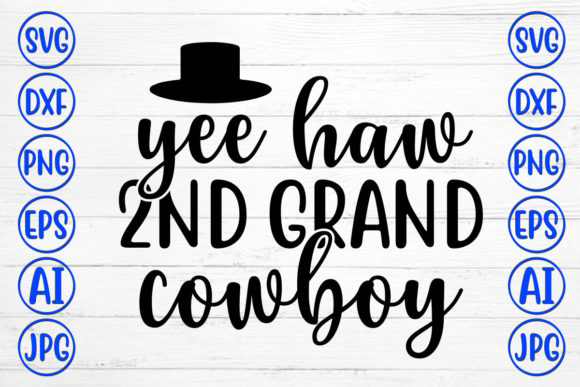
Yee Haw 2nd Grand Cowboy Embroidery Design Review
Performance in Different Embroidery Projects
- Custom Apparel: Sweatshirts, t-shirts, and jackets benefit from the strong visual presence of this design. The boldness works well on larger areas, such as chest placements.
- Tote Bag Designs: Whether for personal use or resale, the Yee Haw 2nd Grand Cowboy adds a stylish touch. Its simplicity means it won’t get lost in the texture of canvas or woven fabric.
- Baby Clothes & Nursery Decor: While not inherently baby-themed, the design can work subtly on onesies or pillow covers when paired with softer fonts or smaller scale. Just ensure thread colors are child-safe and gentle.
- Patches and Aprons: As an applique design, it can be stitched onto felt or sturdy cotton for patches or aprons. The layers make it easy to adjust stitch types for different materials.
- Holiday Gifts and Personalized Items: Think personalized Christmas stockings or western-themed gift boxes. The design’s recognizable shape gives it instant giftability and nostalgic appeal.
- Commercial Embroidery: If you're running a small shop or producing for clients, this design can be used in branding or event merchandise. Just confirm licensing terms before selling finished products.
Where to Use With Caution
- Small Hoop Sizes: The design likely requires a decent amount of space due to its word-by-layer nature. Without checking the actual dimensions (not provided in the description), it may be risky to assume it fits into smaller hoops.
- Textured or Stretchy Fabrics: On materials like knits or corduroy, the stitch density and thread tension must be adjusted carefully to prevent distortion or puckling.
- Dark Fabric Backgrounds: Thread contrast is crucial for visibility. If you plan to use it on black or dark denim, consider lighter thread colors to maintain clarity.
- Curved Surfaces: Hats or curved patches require careful resizing and reshaping. The design’s straight edges may not flow naturally on a cap unless you test it first.
- Dense Stitch Areas: If the design includes intricate details or tight curves, those sections might need extra attention during testing to avoid stitch overlap or tangling.
Designer Notes: Making It Work for You
- Test on Scrap Fabric First: Especially if you're planning to use it on stretchy or thin materials. It’s better to catch issues early than after production.
- Check Thread Color Contrast: Make sure your chosen thread colors stand out against the fabric. Use the included PNG file as a reference but don’t forget to test in real conditions.
- Review Stitch Density: Dense areas may cause puckering or fraying. Adjust settings accordingly based on the fabric you're using.
- Confirm Hoop Size Requirements: Since the exact dimensions aren't listed, measure the design or contact the seller for specifics before starting a bulk order.
- Inspect Small Details: Even though it's a bold design, check each layer for tiny elements that might need tweaking for better stitch quality.
- Use Proper Stabilizer: Depending on the fabric, a tear-away or cut-away stabilizer could make a big difference in the outcome.
- Mockup Testing: Try black-and-white versions of the design on various fabric backgrounds to see how it translates visually. This helps with buyer engagement in online listings.
- Licensing Check: If you're planning to sell finished products or digital embroidery files, double-check the licensing information provided by the seller.
⬇️ Download Free
Free download · No sign-up required
🔗 You Might Also Like
Crafts
As a designer who spends more time staring at stitch density charts and fabric s...
Crafts
When I sit down to evaluate a new digital asset for my studio, I am rarely looki...
Crafts
When I sit down to evaluate a new digital asset for my studio, I am rarely looki...
Crafts
As an experienced embroidery designer and product reviewer, I always approach a ...
Crafts
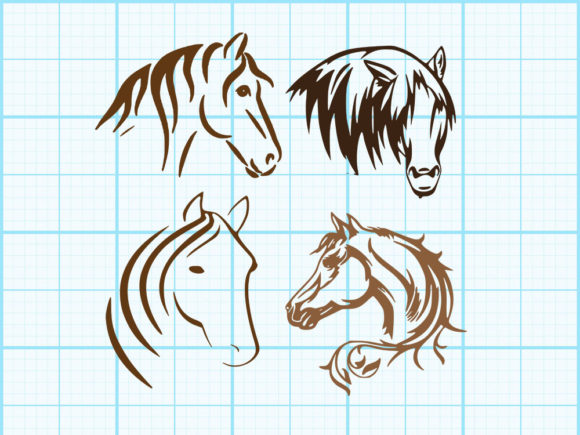
First Impressions and Visual Personality The Horse Farm Cowboy embroidery design...
