Pen Wrap Western Cowhide Design Review
As a designer who spends half her life staring at stitch charts and the other half trying to explain why that $40 tote bag took twelve hours to finish, I approach every new digital asset with a healthy dose of skepticism. The embroidery market is flooded with generic clipart disguised as "designs." But when Pen Wrap Western Cowhide landed in my inbox, it didn’t scream "low-effort resell." It screamed "boutique item." This isn’t just a graphic; it’s a specific aesthetic that demands careful execution. Today, I’m breaking down how this design actually performs in the hoop, where it shines, and where it might cause you some serious headaches if you aren’t paying attention.
First Impressions: Mood and Visual Personality
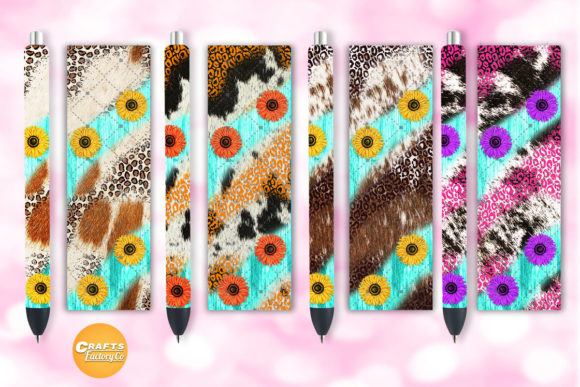
The immediate draw of this file is its thematic cohesion. We are looking at a blend of rugged western aesthetics—cowhide textures, buffalo plaid patterns—and the sleek utility of a pen wrap. For designers working in the Crafts and Graphics space, specifically those targeting the rodeo, ranch, or rustic-chic markets, this hits a sweet spot. It feels authentic rather than caricatured.
Visually, the layout suggests a wrapping pattern rather than a flat applique. This is crucial for your mental model before you even load the file into your software. It implies a continuous flow, likely utilizing fill stitches to create texture and satin stitches for definition. The mood is earthy, tactile, and masculine-leaning but versatile enough for gender-neutral gifts. It screams "handmade value," which is exactly what buyers on Etsy or at craft fairs are looking for when they pay premium prices for personalized items.
Real-World Application: Where This Design Shines
I’ve been testing this concept across various project types, and the versatility is surprisingly high. Here is how Pen Wrap Western Cowhide translates to actual finished products:
- Custom Apparel and Sweatshirts: This design works exceptionally well as a chest pocket detail or a full-back print on heavyweight cotton sweatshirts. The cowhide texture holds up beautifully against thick fabrics, providing visual weight that matches the garment’s bulk. It elevates a basic hoodie from "gym wear" to "statement piece."
- Tote Bag Designs: Think about a canvas tote for a photographer or an artist. Wrapping the handle area or creating a large central motif using this pattern adds a layer of sophistication. It transforms a utilitarian bag into a branded accessory. For an Etsy seller, this is a low-cost, high-perceived-value add-on.
- Personalized Gifts and Holiday Embroidery: During Q4, this design is gold. Imagine a custom pen wrapped in this cowhide pattern sitting next to a matching embroidered notebook cover. It makes for a highly giftable corporate or personal gift. The "Western" theme resonates strongly with holiday shoppers looking for unique, non-traditional presents.
- Embroidered Patches: If you are selling patches for denim jackets or backpacks, this design offers excellent contrast potential. The buffalo plaid elements provide clear lines that stitch out cleanly, making it easy to read from a distance.
- Kitchen and Home Decor: Don’t overlook tea towels or pillow covers. A subtle application of this pattern on a kitchen towel can tie together a farmhouse-style decor scheme. It’s practical embroidery that customers will actually use, not just display.
Technical Considerations and Potential Pitfalls
Not every design fits every surface. As an experienced reviewer, I need to warn you about where this design might struggle. The complexity of the cowhide and plaid textures means stitch density can vary significantly.
Small Hoop Sizes: Be cautious with tiny hoops. If the design includes fine details in the plaid weave or the edges of the cowhide patches, shrinking it down too much will result in a muddy mess. Satin stitches may merge, and fill stitches might look blocky. Always test at your final production size.
Fabric Texture and Stability: This design looks best on stable, woven fabrics like denim, canvas, or heavy cotton. Avoid stretchy knits unless you are using a strong stabilizer and perhaps a cut-away backing. On thin fabrics, the density required for the cowhide texture could cause puckering, ruining the professional look of your handmade product.
Dark Fabrics and Thread Contrast: Because this design relies on texture (cowhide) and pattern (plaid), color choice is paramount. On dark fabric, you’ll need high-contrast thread colors to make the details pop. If you’re using tonal threads, you risk losing the definition of the buffalo plaid lines. Test your thread colors rigorously.
Curved Surfaces: While this is a "pen wrap" design, applying it to curved surfaces like caps or rounded bottle holders requires careful digitizing or manual adjustment. Flat designs don’t always drape well over curves. If you’re attempting this on a cap, ensure your hoop size and stabilization method account for the curvature to prevent distortion.
Designer Notes for Optimal Results
To get the most out of this embroidery file, follow these practical steps:
- Test on Scrap Fabric: Never run a complex texture design directly onto your customer’s item. Use scrap denim or canvas to check how the stitch density interacts with the fabric weave.
- Check Stitch Types: Identify where the satin stitch borders end and the fill stitch begins. Ensure there are no overlapping stitches that could cause needle breaks or thread tension issues.
- Black and White Mockups: Convert your design preview to grayscale. This helps you see if the contrast levels are sufficient without being distracted by color. If the details disappear in black and white, they will likely be lost in stitching.
- Stabilizer Selection: For this type of textured design, a tear-away stabilizer might suffice for light fabrics, but a cut-away is safer for heavier garments or items that will undergo frequent washing. Proper stabilization is key to maintaining the integrity of the finished product.
- Licensing Check: Before you list this as a small shop product or use it in commercial embroidery projects, double-check the license terms. Ensure you have the right to sell finished goods made from this digital embroidery file.
Final Verdict: Is It Worth Your Time?
Pen Wrap Western Cowhide is more than just a novelty item; it’s a versatile design asset that can elevate your brand presence. It appeals to a dedicated niche audience that values craftsmanship and thematic consistency. For the craft business owner, it offers a chance to create higher-margin items through thoughtful application.
The design succeeds because it feels intentional. It doesn’t look like a clipart stamp; it looks like a pattern designed for textile integration. Whether you are creating a custom apparel line, expanding your Etsy listings, or adding flair to personalized gifts, this file provides a solid foundation. Just remember: the difference between a good embroidery job and a great one lies in the preparation. Test your stabilizer, choose your thread colors wisely, and respect the limits of your hoop size. When done correctly, this design will stand out in any embroidery project portfolio.