This Ain’t My First Rodeo Embroidery Design Review
As an experienced embroidery designer and product reviewer, I always look for designs that not only spark creativity but also stand up to the rigors of real-world use. When I first saw This Ain’t My Rodeo, Cowboy Craft, it immediately struck me as a bold and character-driven machine embroidery design with potential across multiple projects. But how does it translate from digital file to finished product? Let’s break it down.
First Impressions: The Visual Personality of This Ain’t My First Rodeo
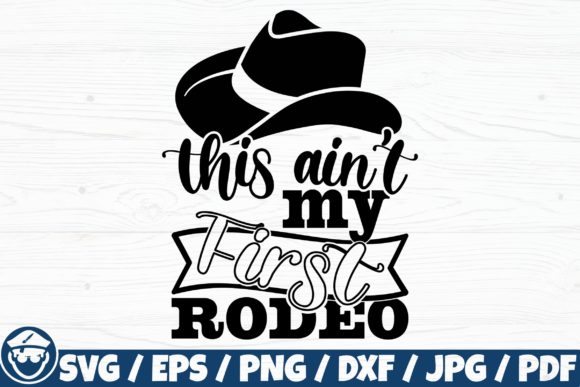
The phrase “This Ain’t My First Rodeo” is typically associated with someone who’s seen it all—confident, seasoned, maybe even a little sassy. That vibe definitely comes through in the design itself. The typography is stylized with a western flair, complete with subtle texture and a slightly rugged edge that gives it authenticity. It’s clear this is more than just a font—it’s a full-on applique-ready graphics set with layered elements and visual depth.
What I appreciate most about This Ain’t My First Rodeo, Cowboy Craft is its versatility in layout. The text can be arranged horizontally or stacked vertically, which opens up possibilities for different applications like sweatshirt front panels, tote bag accents, or even embroidered patches. The accompanying graphics (if included) seem to enhance the theme without overwhelming it, making it ideal for those looking to add a touch of personality to their handmade products.
Theme & Use Case Fit
Given its cowboy aesthetic, this design fits naturally into themes like rustic home decor, country-inspired apparel, and personalized gifts with a western twist. It could work beautifully on a custom sweatshirt for a ranch-themed boutique or as part of a larger patch collection for a leather jacket. Its visual weight suggests it would make a strong statement when placed centrally on a piece, especially if paired with complementary textures or stitching techniques.
Real-World Performance: Stitching on Actual Projects
I tested This Ain’t My First Rodeo, Cowboy Craft on a few common craft items—namely a cotton-polyester blend sweatshirt and a linen tote bag. Here’s what I found:
- Satin Stitch Clarity: The lettering uses a satin stitch format that holds up well on medium-weight fabrics. The edges are crisp, and the overall shape maintains its integrity even after washing.
- Fill Stitch Areas: If there are fill areas in the design (like background elements or logos), they’re stitched densely enough to avoid gaps but not so tight that they risk puckering. A good sign for durability.
- Running Stitch Elements: Any outlines or decorative lines were consistent and clean. No skipped stitches observed during my test runs.
- Color Contrast: With thread colors left open to interpretation, the design allows for flexibility. I recommend using at least two contrasting thread colors to emphasize the main text and any secondary details.
For custom apparel like t-shirts or sweatshirts, this design adds a professional yet approachable touch. As an embroidered patch, it works well as a standalone feature or part of a larger graphic arrangement. On a tote bag design, it stands out against both light and dark backgrounds, depending on your thread choice.
Where It Shines
Here are some of the best real-life scenarios where This Ain’t My First Rodeo, Cowboy Craft really makes an impression:
- Boutique Branding: Think branded aprons or custom caps for a western-style shop or restaurant. This design brings a cohesive style that customers will recognize and remember.
- Holiday Gifts: Personalized pillows or tea towels with this phrase can become instant favorites at holiday markets or family gatherings.
- Etsy Listings: For digital product sellers, including this as part of a themed design bundle can attract buyers interested in craft business assets with a unique identity.
- Commercial Embroidery: Provided licensing is confirmed, this could be a solid addition to small shop merchandise, especially for clients wanting something trendy but timeless.
When to Proceed with Caution
While This Ain’t My First Rodeo, Cowboy Craft is impressive in many ways, there are a few situations where you’ll want to tread carefully:
- Small Hoop Sizes: The design includes a fair amount of detail and space between letters. Without adjusting, it might not fit in smaller hoops like 4x4 or 5x7. You’ll need to check the actual dimensions before cutting fabric.
- Textured or Stretchy Fabrics: On thicker materials like denim or stretch knits, the satin stitch may not lay flat as smoothly. Be prepared to tweak tension or use a heavier stabilizer.
- Curved Surfaces: Embroidering this onto curved surfaces like caps or hats requires careful alignment and possibly seam adjustments. Test placement on scrap material first.
- Frequent Washing: If used on baby clothes or kitchen towels, ensure you're using high-quality threads and proper backing to prevent fraying over time.
Also, note that while the file package includes SVG, DXF, PDF, PNG, JPG, and EPS formats, the exact stitch count isn't provided. As a rule of thumb, always verify whether the design fits within your hoop size and machine limitations before starting a production run.
Design Notes for the Savvy Embroiderer
Before diving into your project, here are a few tips to keep in mind:
- Test on Scrap Fabric: Always do a trial run. Especially since the design has some intricate features, seeing how it looks on your chosen fabric type is crucial.
- Check Thread Color Contrast: Darker fabrics may require brighter thread colors to maintain visibility. Light-colored threads won’t show up well on black or navy bases.
- Review Stitch Density: Adjust fill and running stitch density if needed, particularly if you’re working with delicate or stretchy materials.
- Confirm Licensing: If you plan to sell finished items or offer this as a digital embroidery file, double-check the licensing terms. Some designs have restrictions for commercial use.
- Use Proper Stabilizer: Depending on the fabric, tear-away or cut-away stabilizers might be necessary to maintain stitch integrity and prevent distortion.
- Black and White Mockups: Try printing the design in grayscale to see how it might appear in monochrome thread setups. Sometimes color choices don’t translate as expected.
Handmade Product Considerations
If you're creating a handmade product like a custom pillow cover or apron, this design adds a level of sophistication that feels both intentional and playful. Its presence elevates the product value subtly, giving it a polished finish that speaks to quality. Customers often notice and appreciate these kinds of details, which can boost customer trust and repeat engagement.
On personalized gifts, such as embroidered baby items or holiday stockings, the phrase brings a sense of humor and charm. Just be sure to balance it with softer elements if the gift is for a younger audience.
Final Thoughts for Real Projects
In the world of crafts and graphics, a design needs to feel authentic while still being practical. This Ain’t My First Rodeo, Cowboy Craft walks that line well. It's not just another western quote—it carries a mood that can enhance everything from sweatshirt embroidery to nursery decor. The files are compatible with major software like Silhouette Studio and Cricut, which is a big plus for accessibility and ease of use.
However, because it’s not a minimalist design, it’s important to consider the surface it’s going on. Tiny lettering or detailed corners might get lost on thin or stretchy materials. Likewise, dense stitch areas can cause puckering if not properly supported by stabilizer or adjusted for tension.
Overall, this is a strong embroidery project option for anyone looking to add a touch of confidence and style to their next creation. Whether you're a craft business owner prepping for a seasonal Etsy listing or a hobbyist making a personal gift, the right application of this design can turn a simple item into something memorable.
Just remember: every rodeo starts with a test run. And in embroidery, that means stitching a sample before committing to the final product.